The CirclePrivate previews, studio notes, and priority access to new editions ahead of the public release.
Successfully registered for private previews.
01/
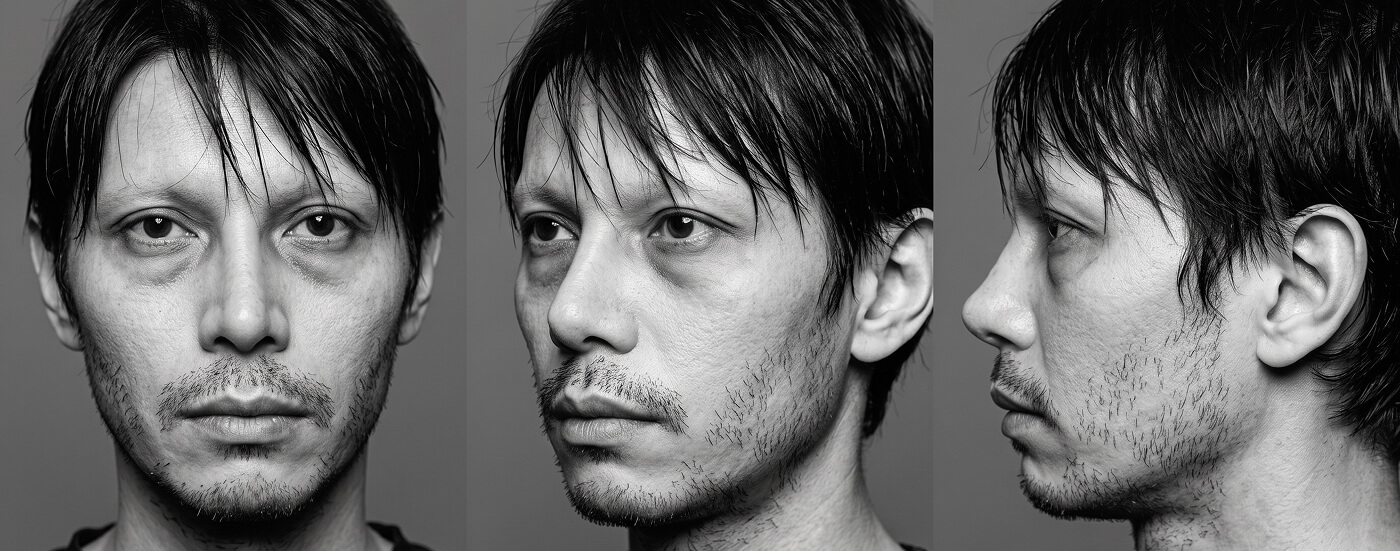
There is a moment everyone knows who has held an opinion that wasn't en vogue. No argument. No confrontation. Only silence — and afterwards, something was different.
Cancel Culture, exclusion, the quiet disappearance from discourse: these are not phenomena of public life alone. They happen in the small spaces, in the everyday, in the rooms where one should belong. The question that concerns me is not the political one. It is the human one: What does this do to someone?
Verdi answered it long before the word existed. The Confutatis maledictis from his Requiem names the moment without softening: when the damned are set aside — not because they are guilty, but because their way of thinking is inconvenient.
From a different opinion comes a flaw. From a flaw comes a character.
first studies
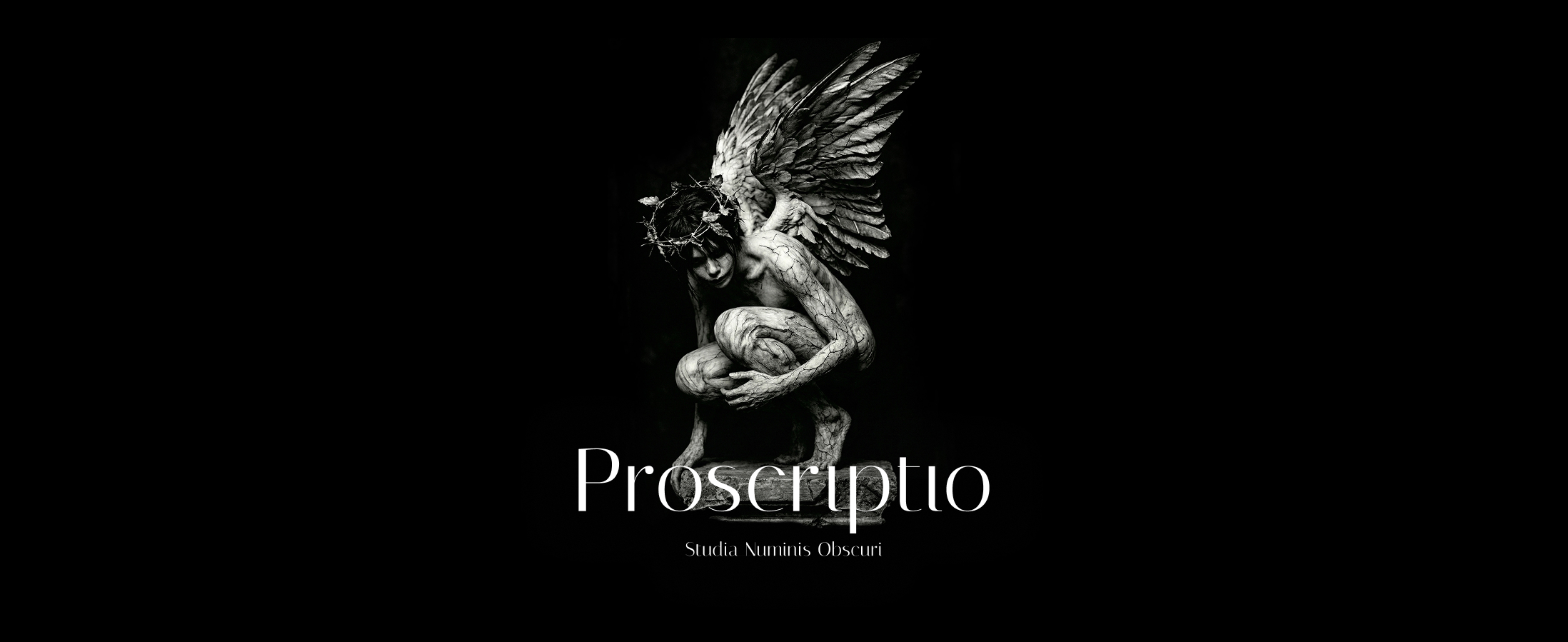
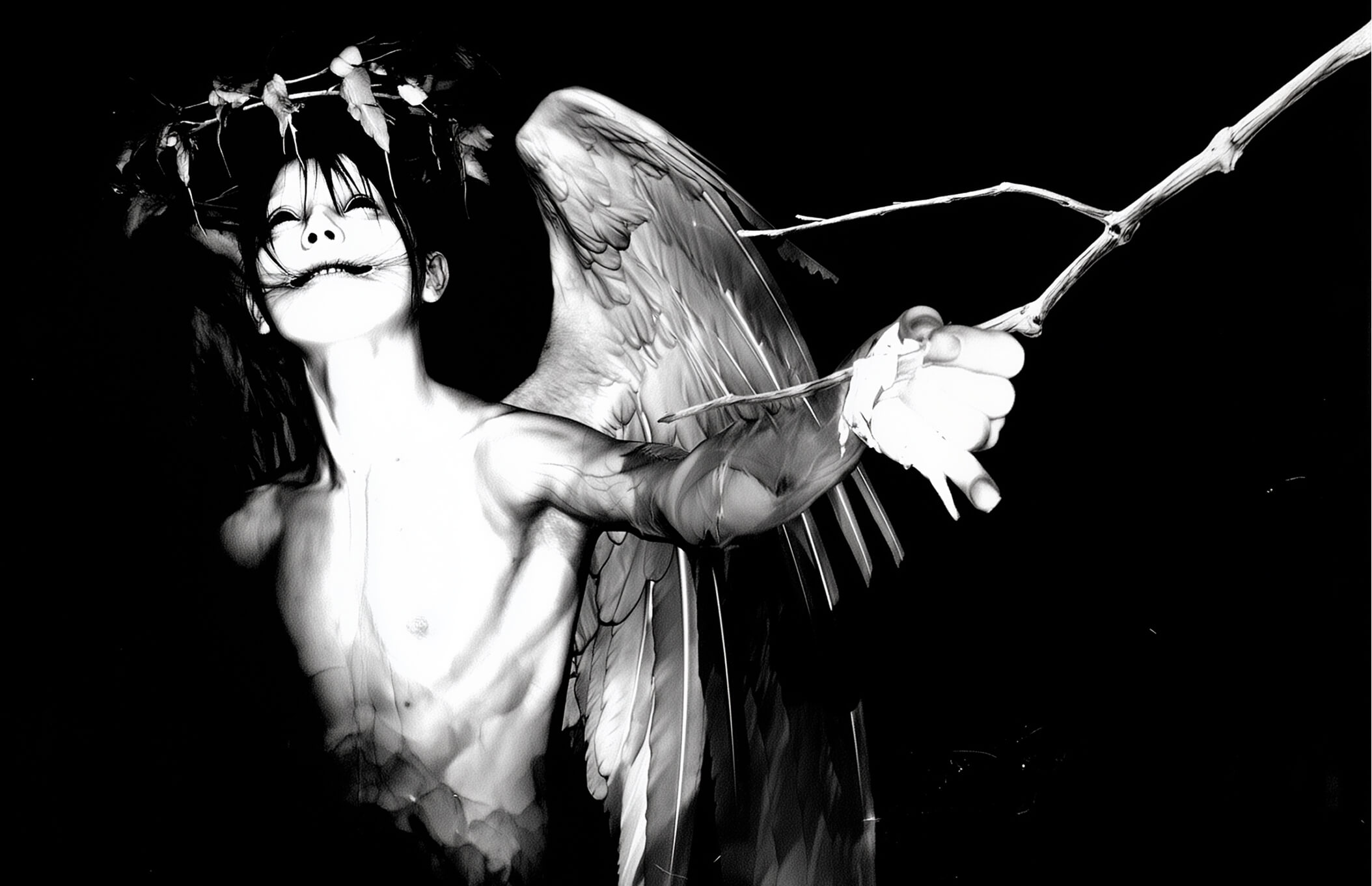
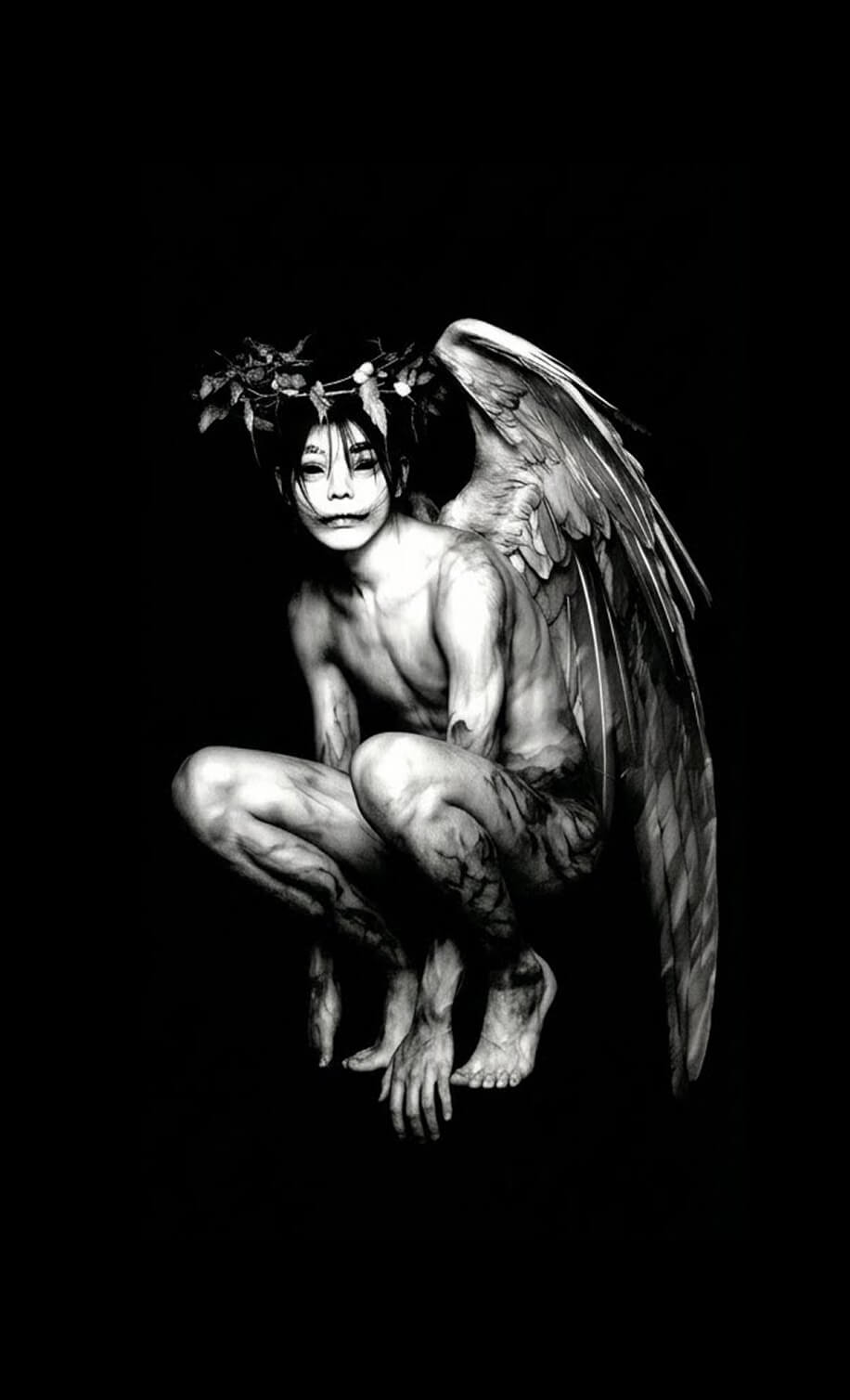
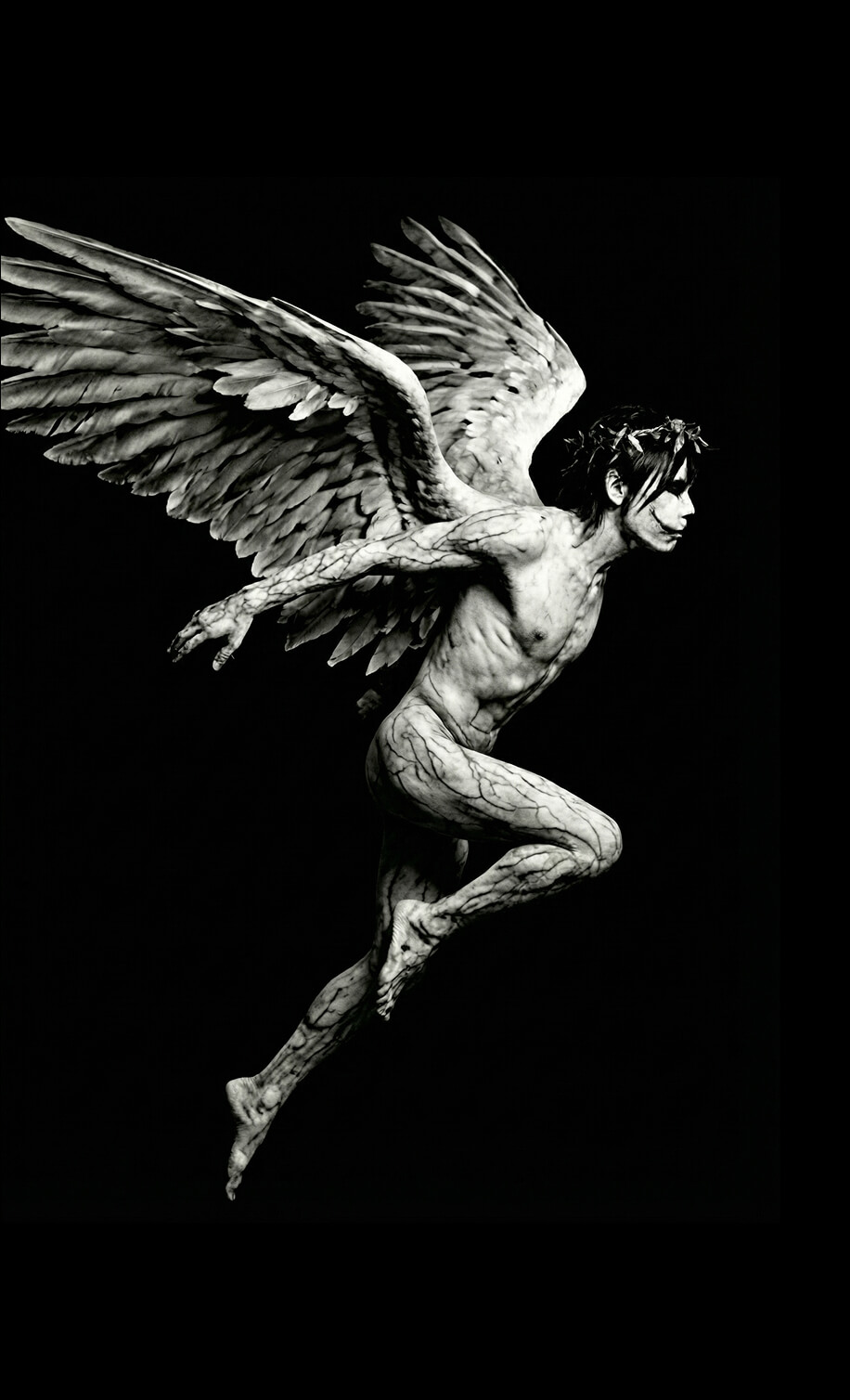
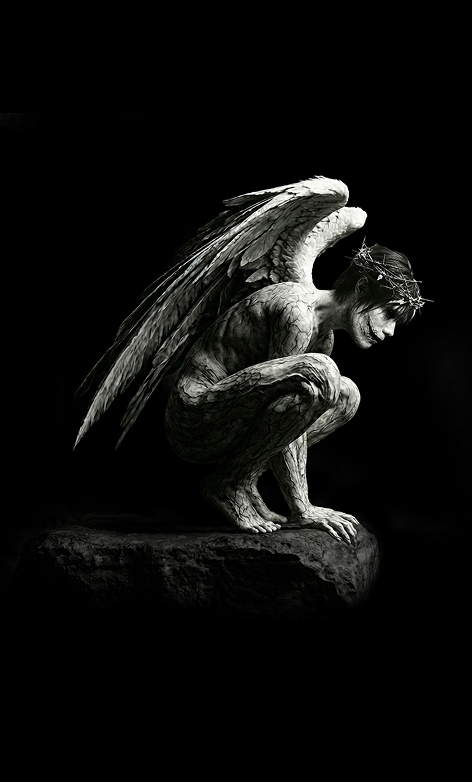
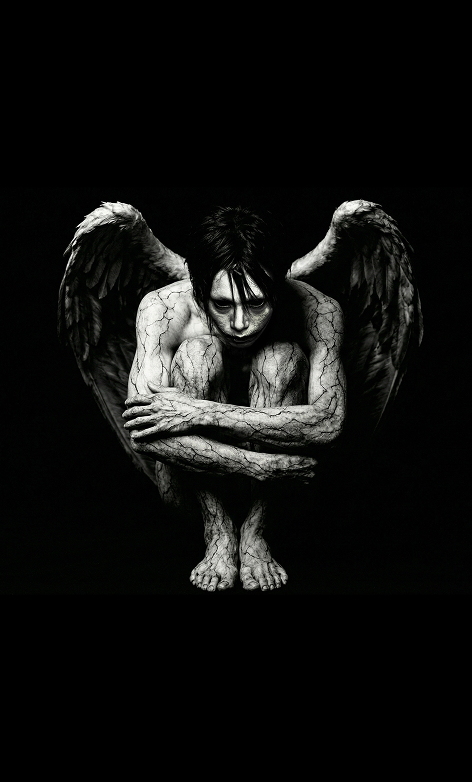
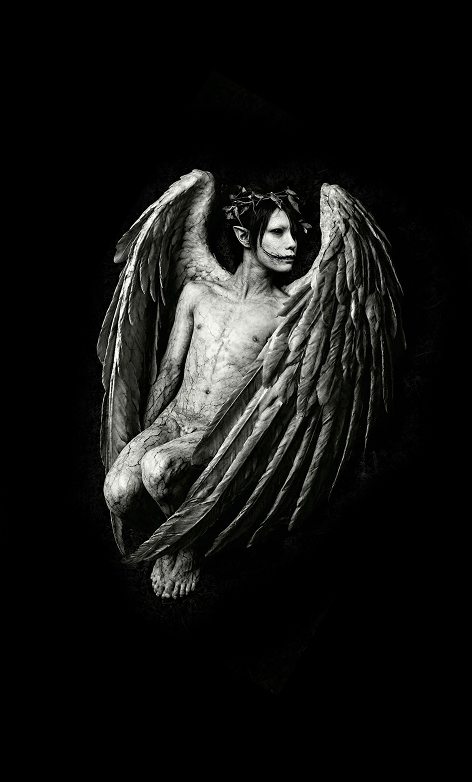
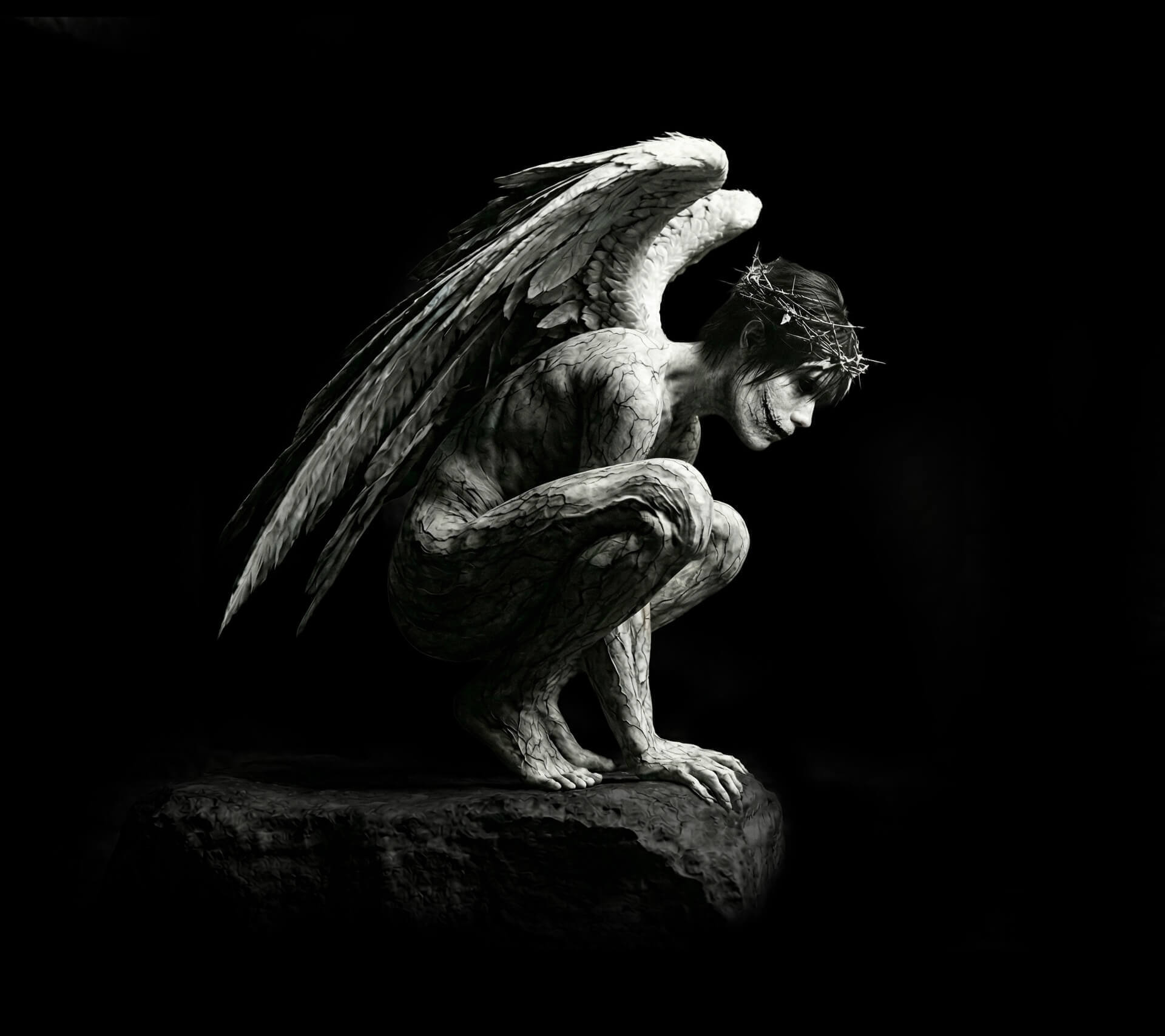
The Dark Angel
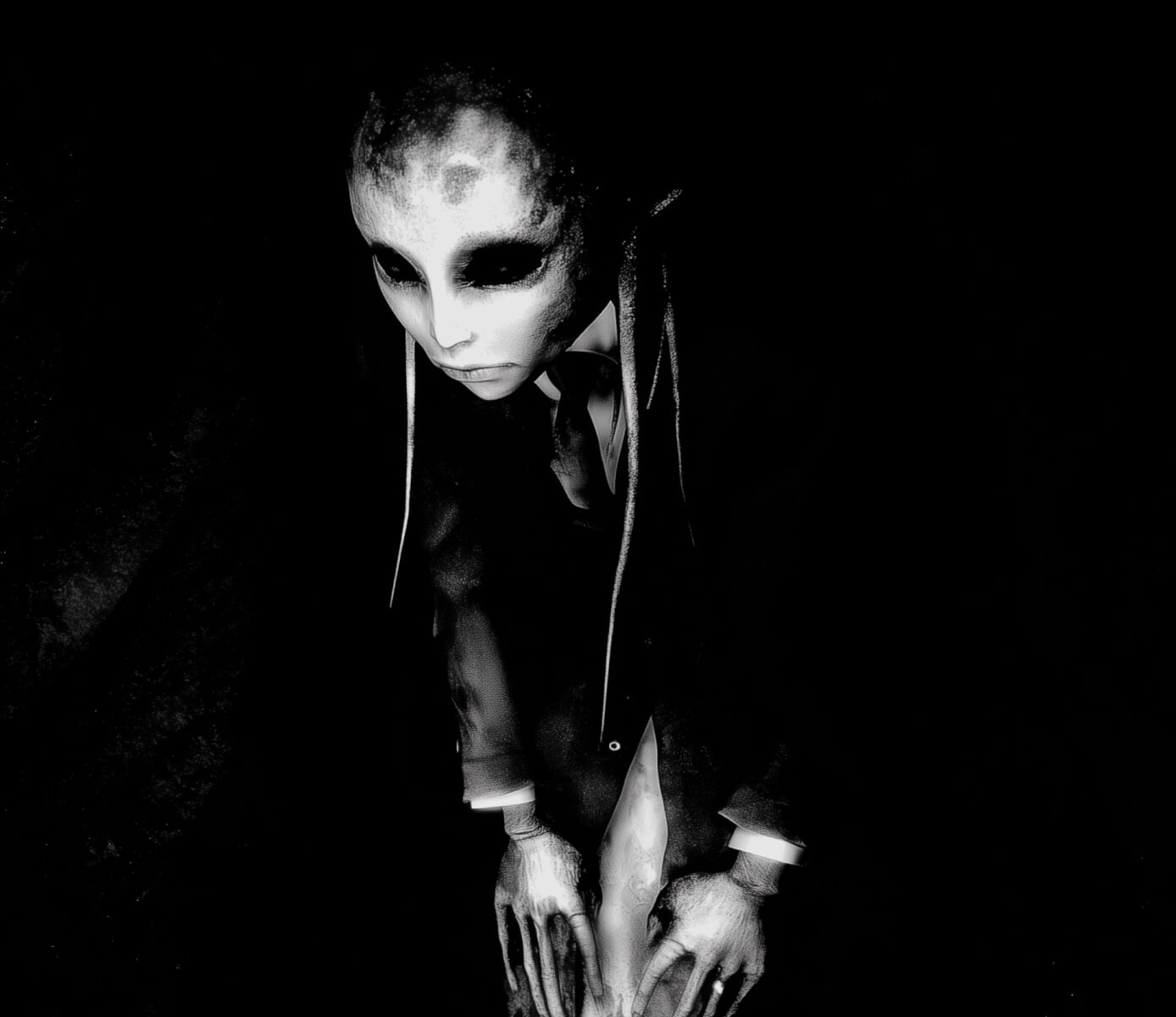
He is dangerous. He is toxic. His very stance threatens the prevailing discourse and the cohesion of the group. He no longer belongs. He is no longer heard. The community believes this — because it must. Because without it, the exclusion would have no justification.
And so someone who thinks differently becomes someone to be feared. He exists in a space where his name is already taken — before he opens his mouth.
first studies
What Remains — The Physiognomy of Judgment
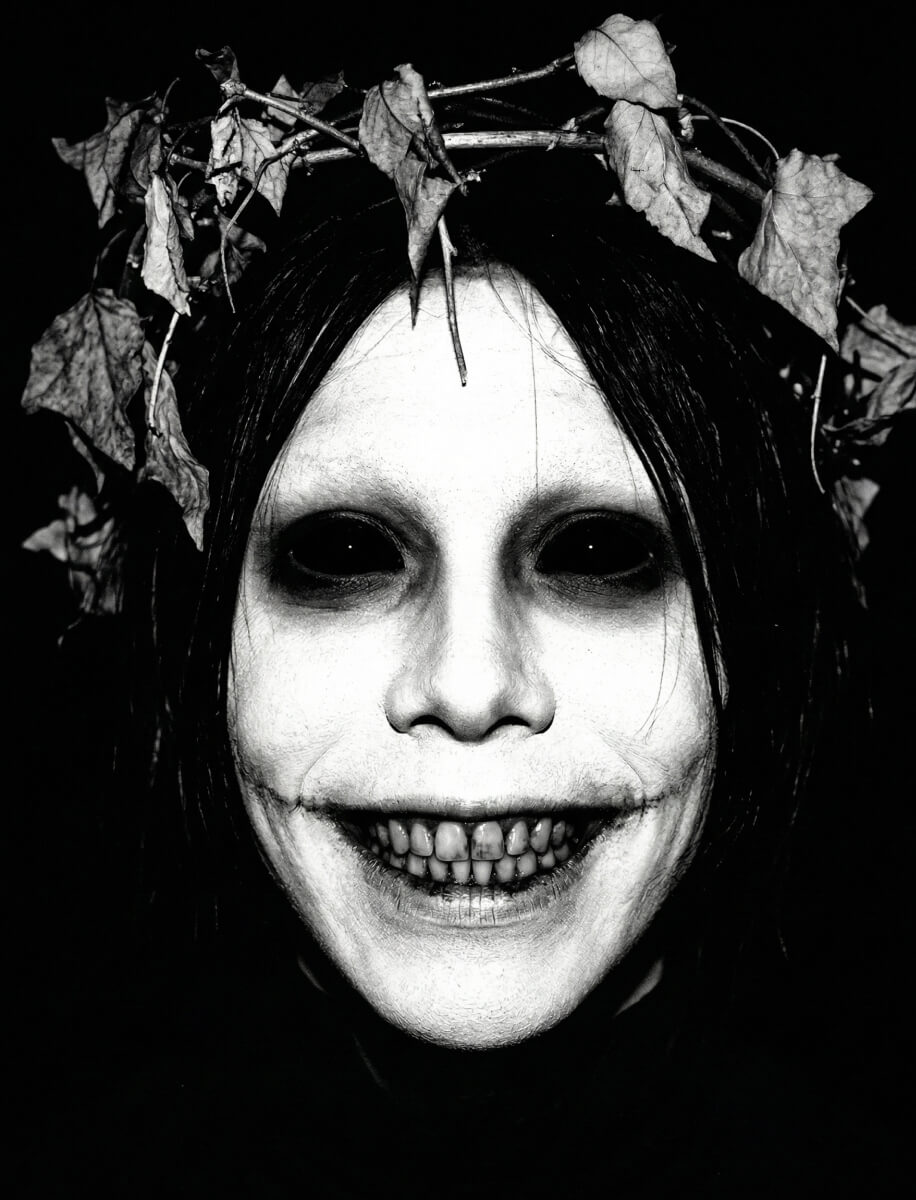
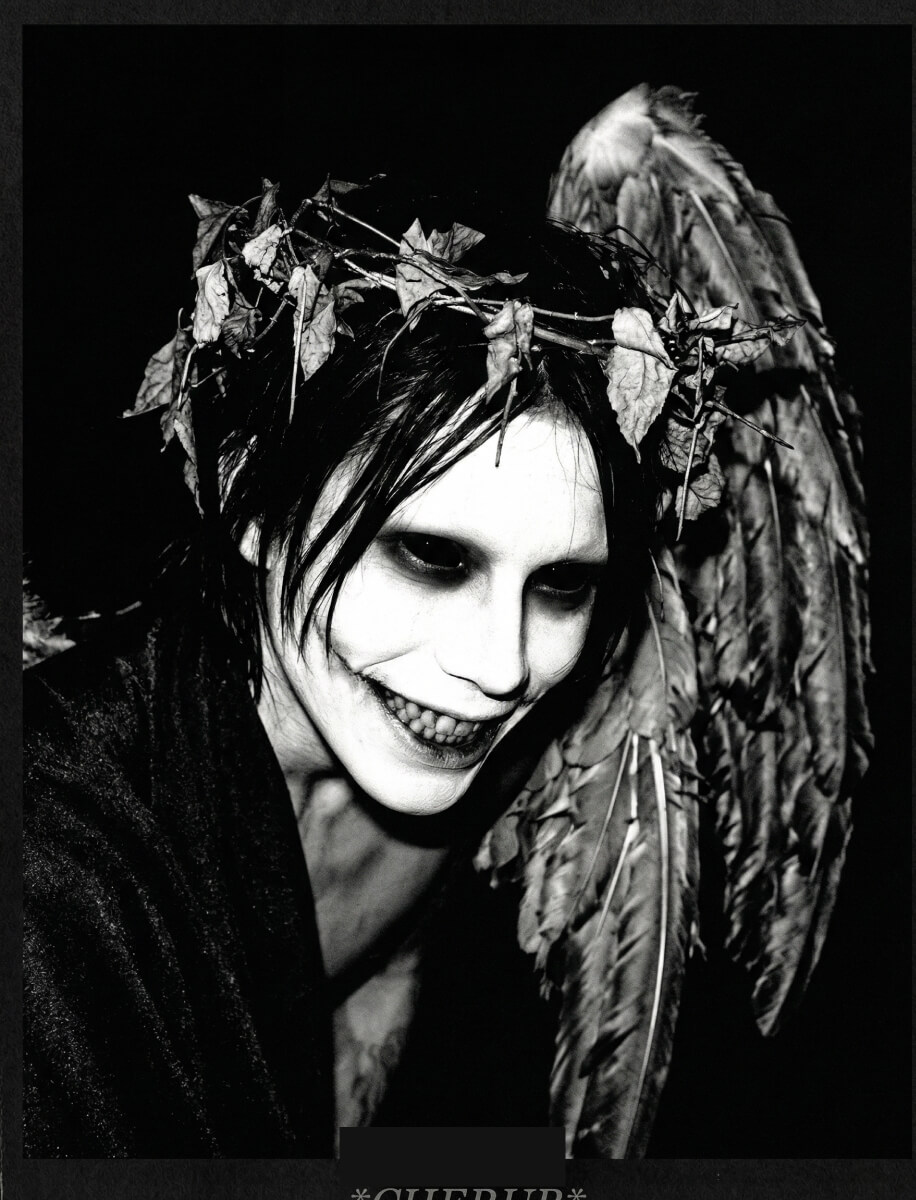
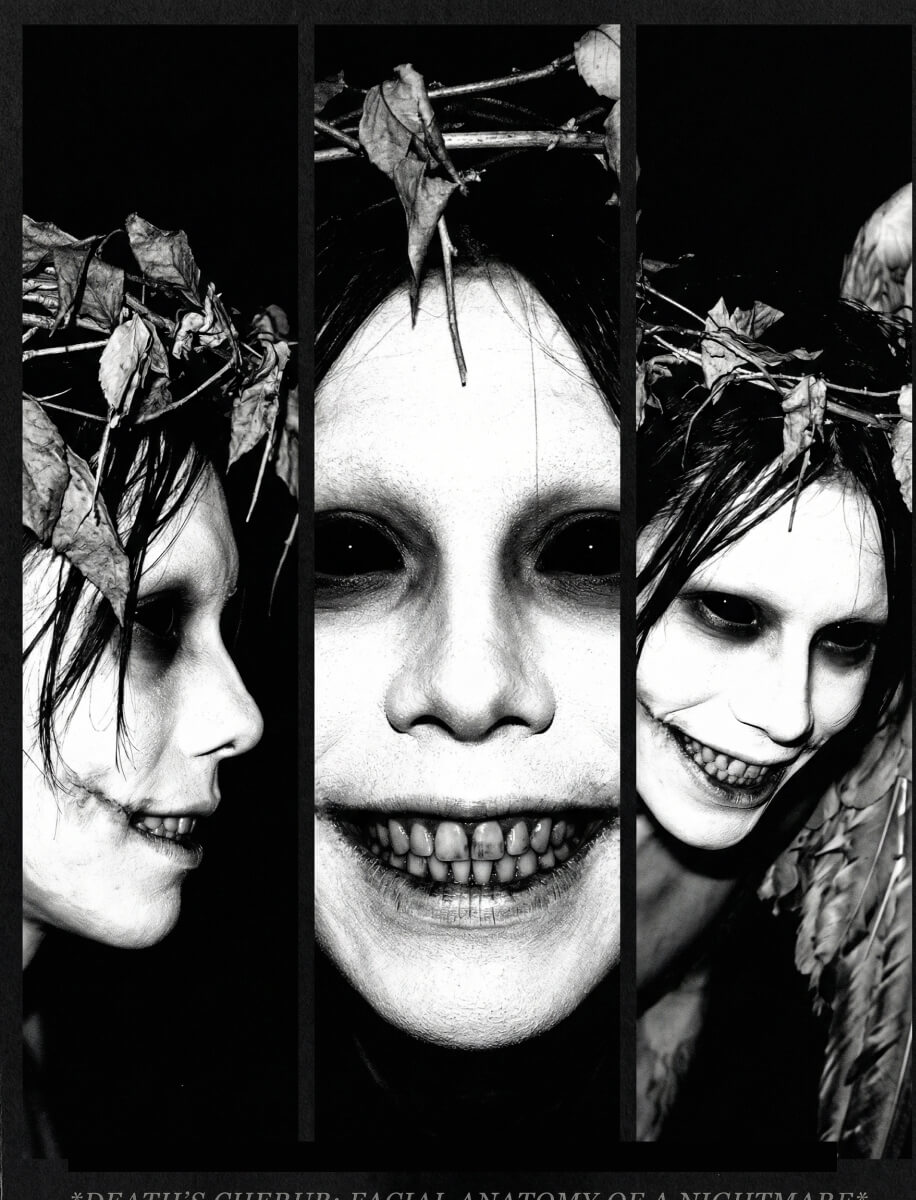
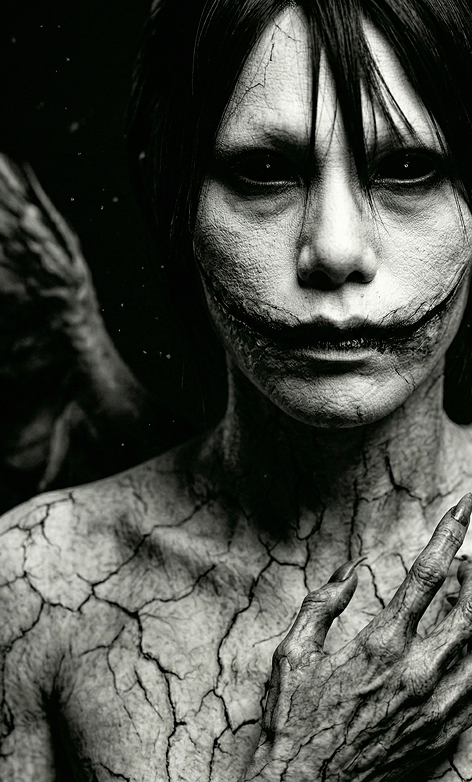
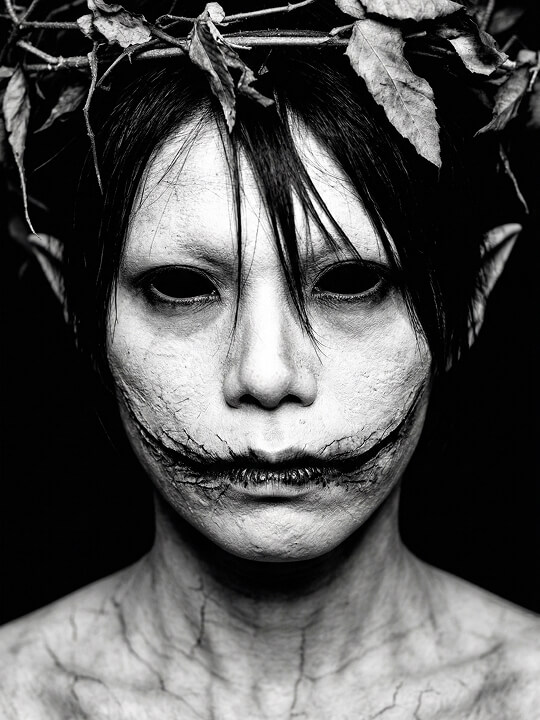
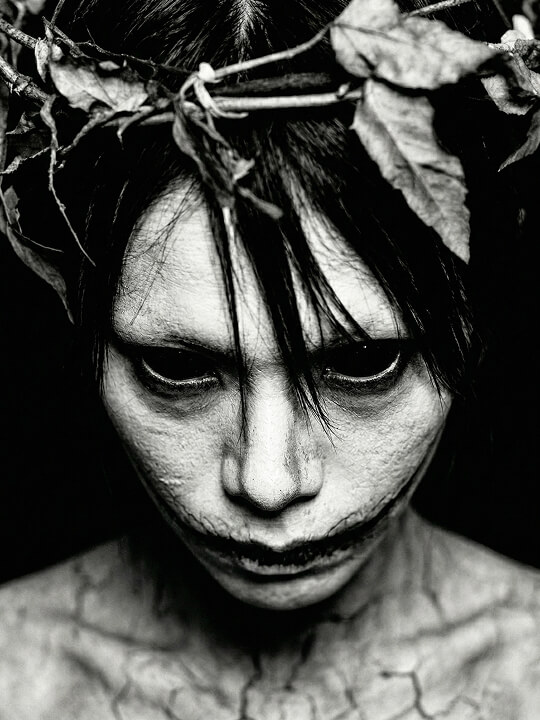
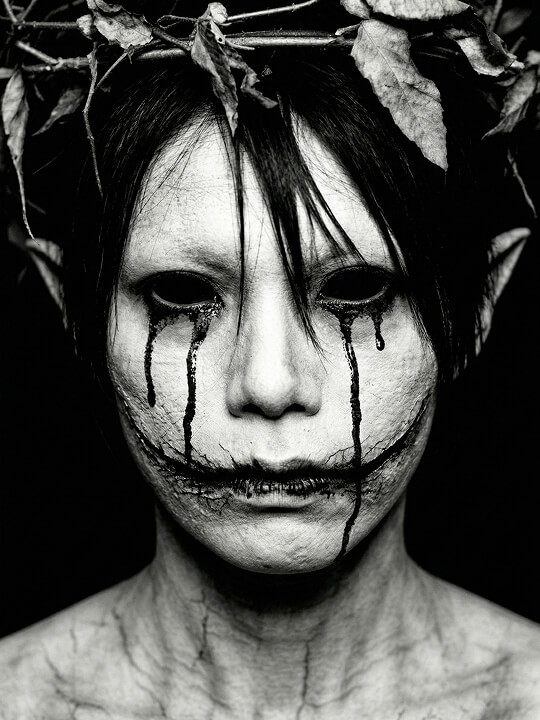
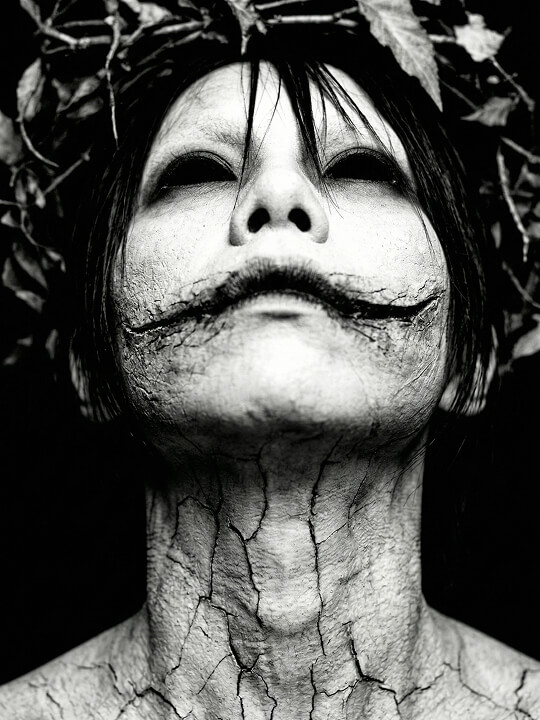
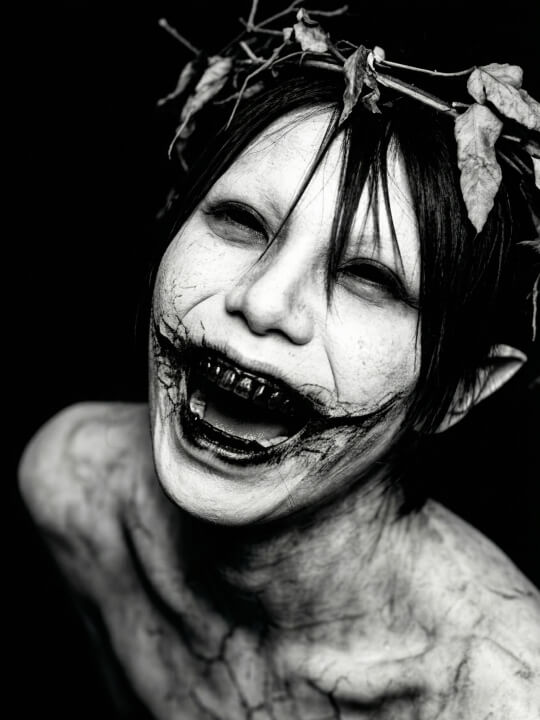
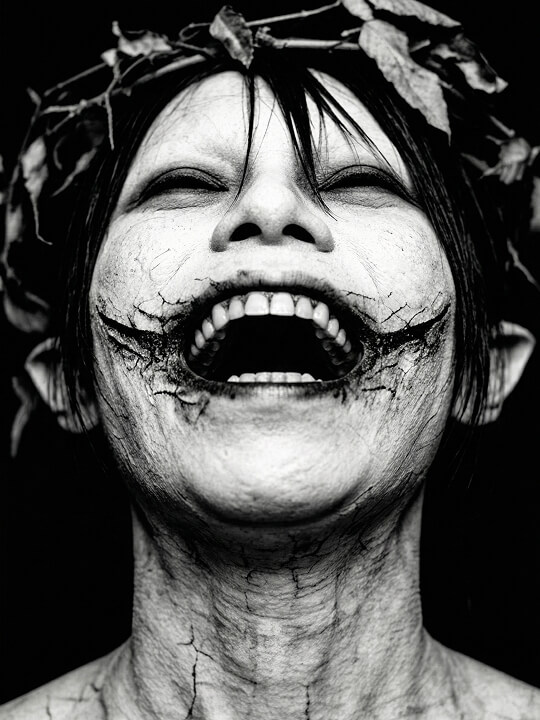
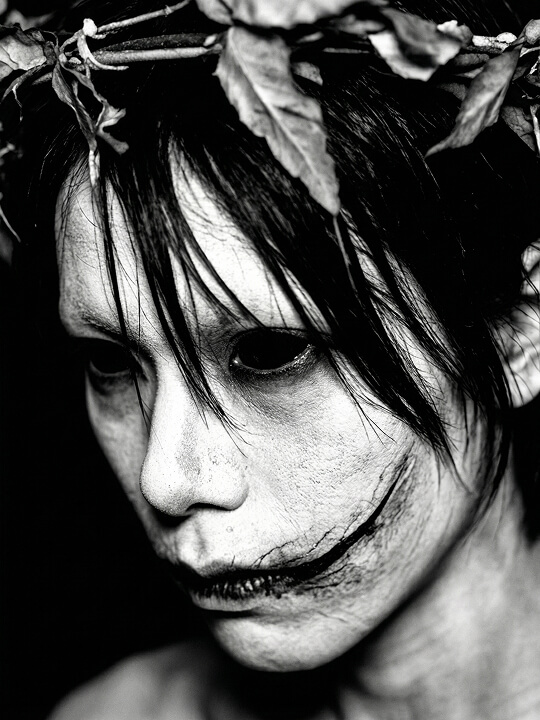
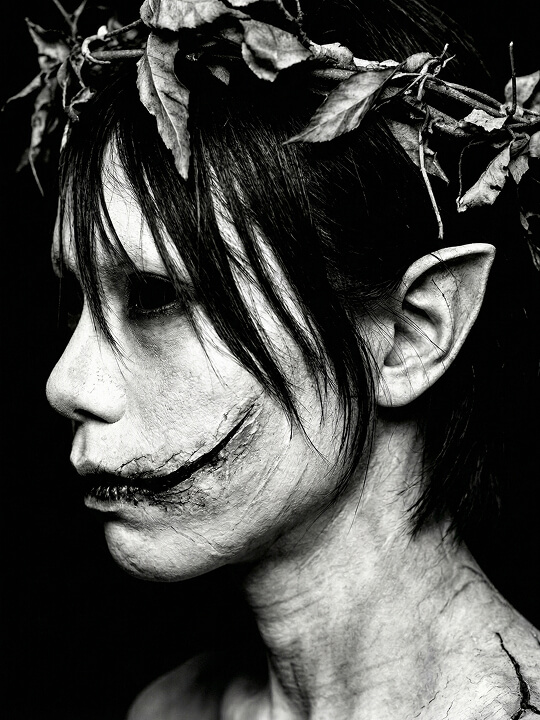
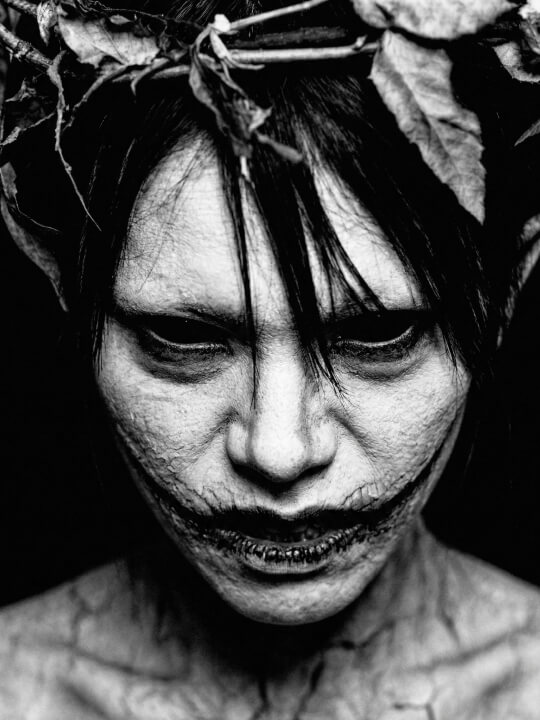
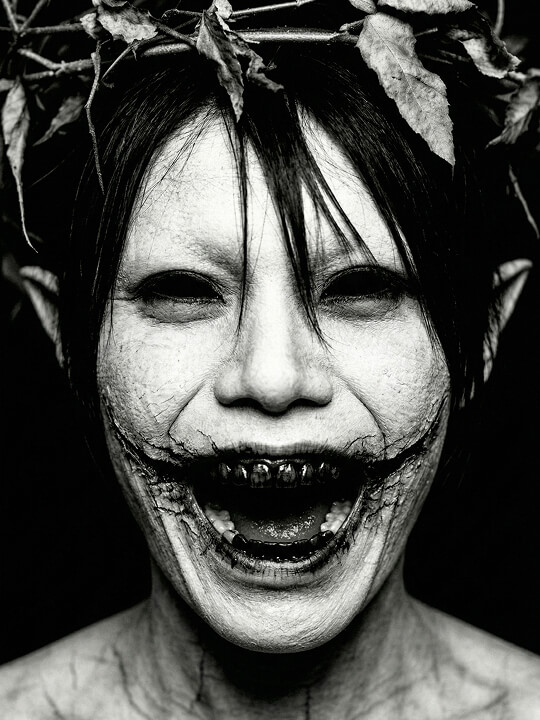
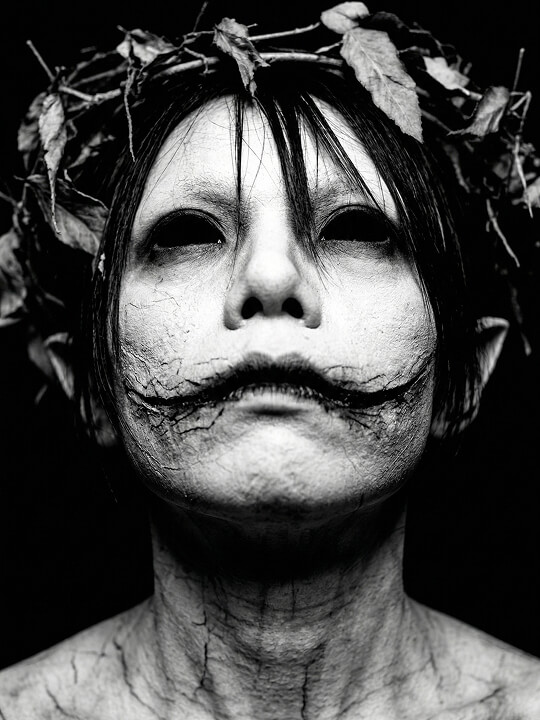
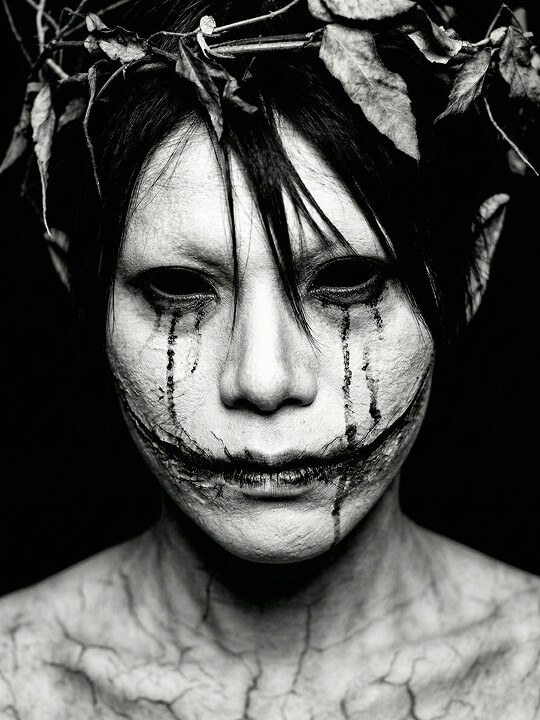
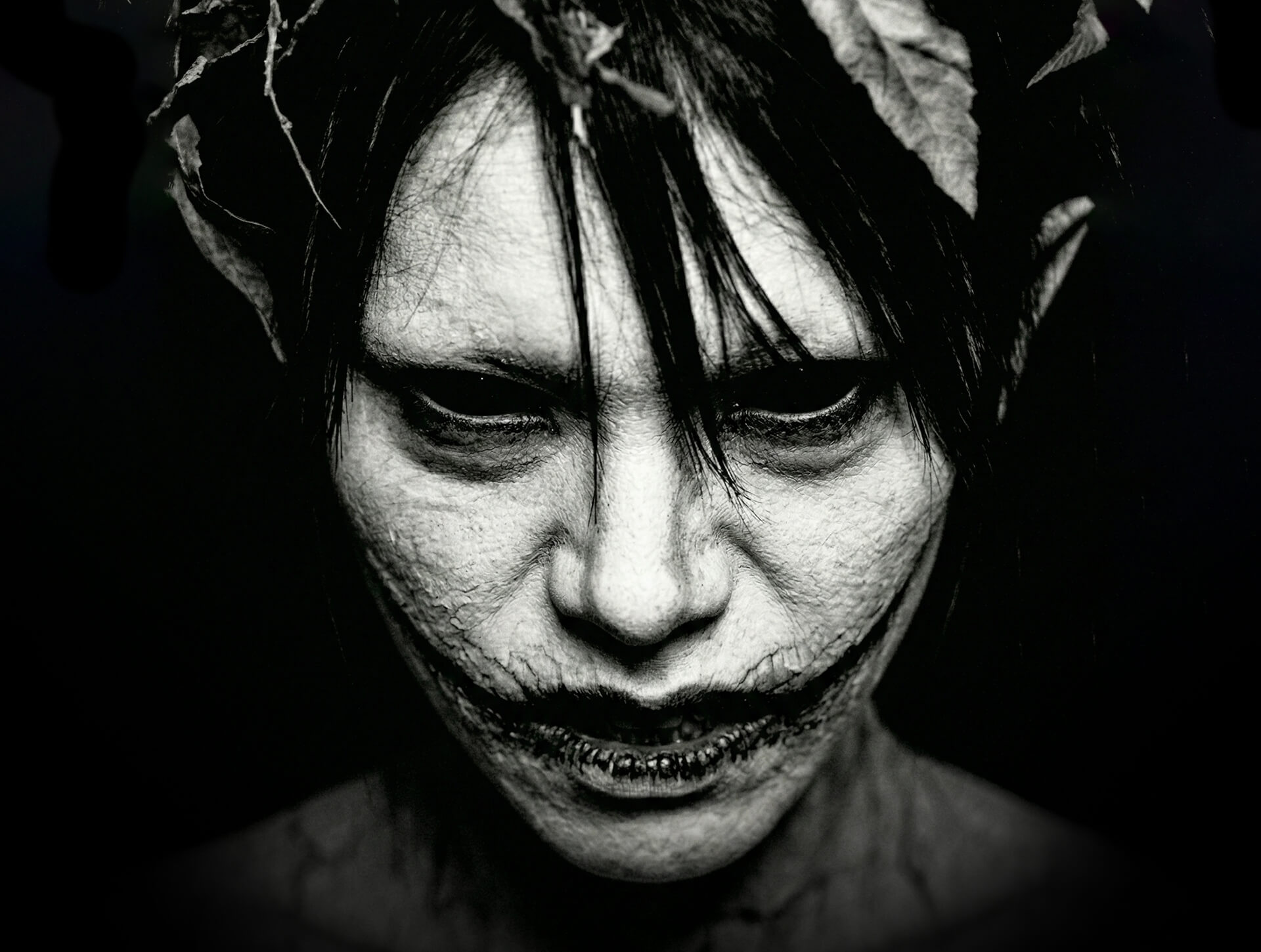
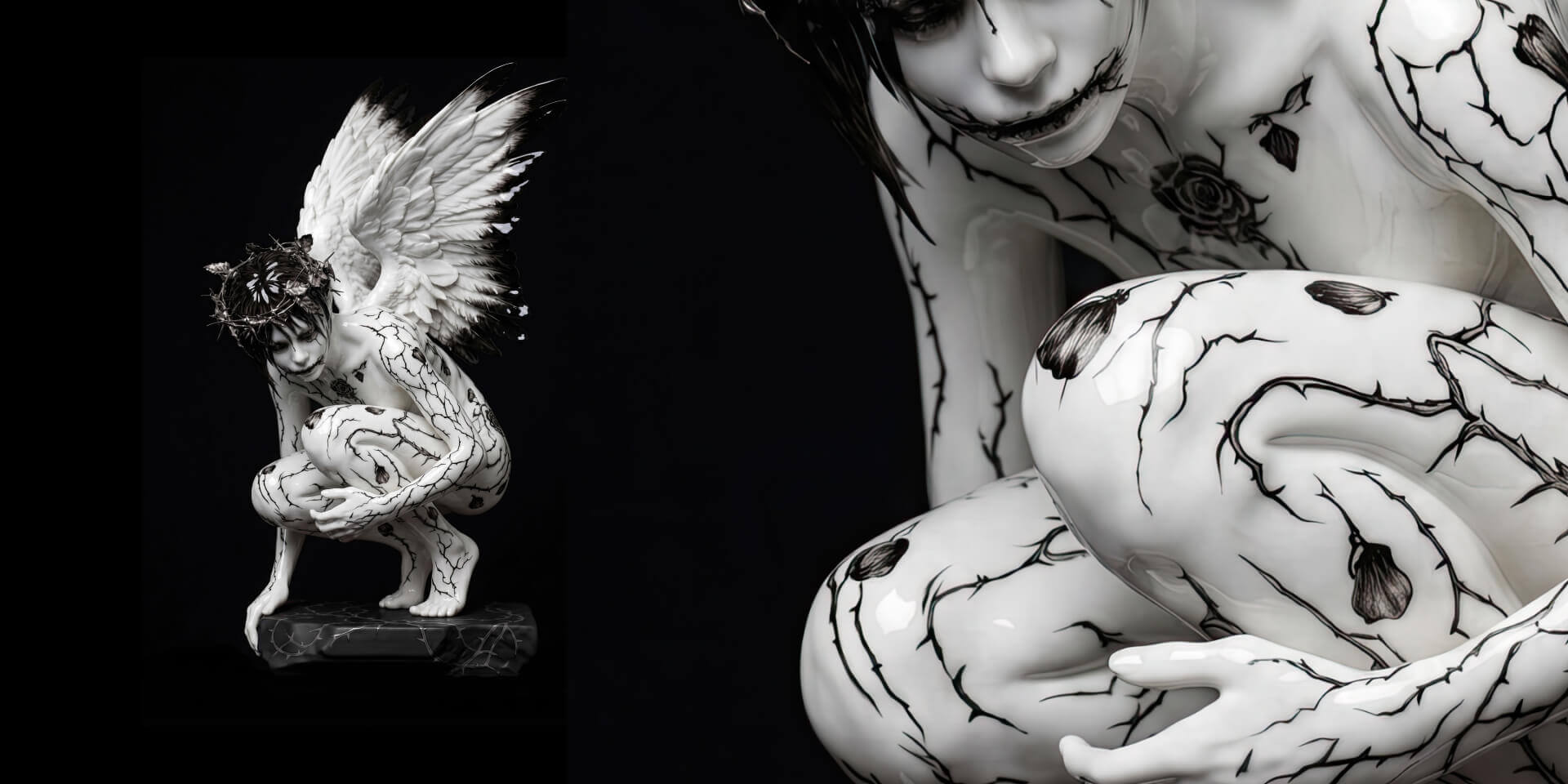
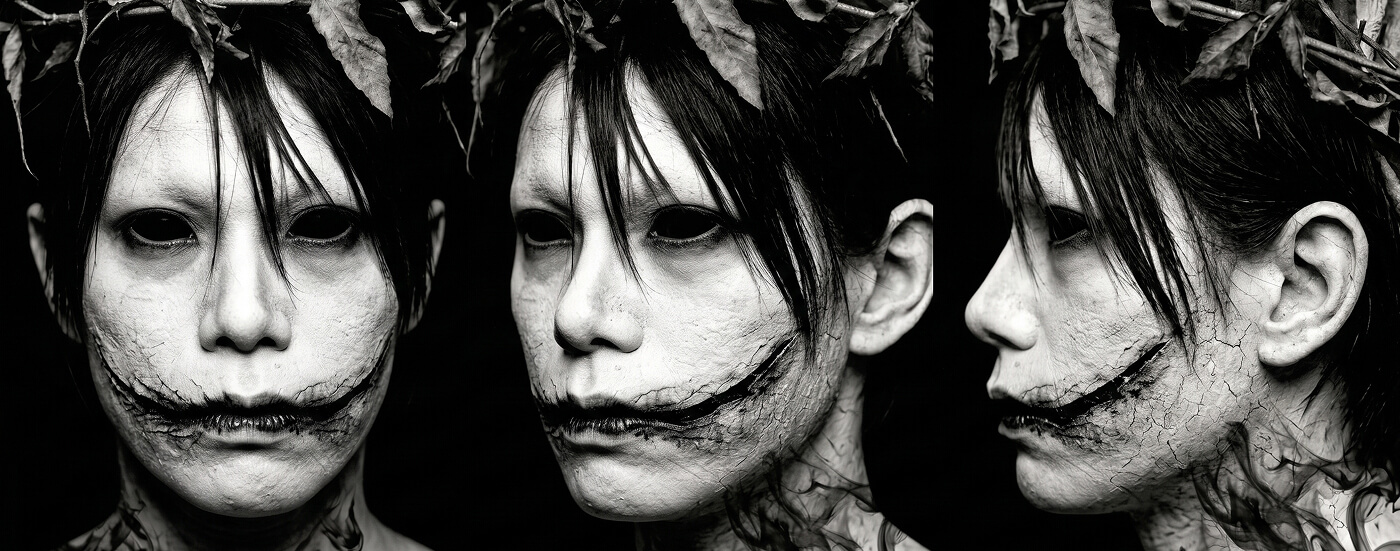
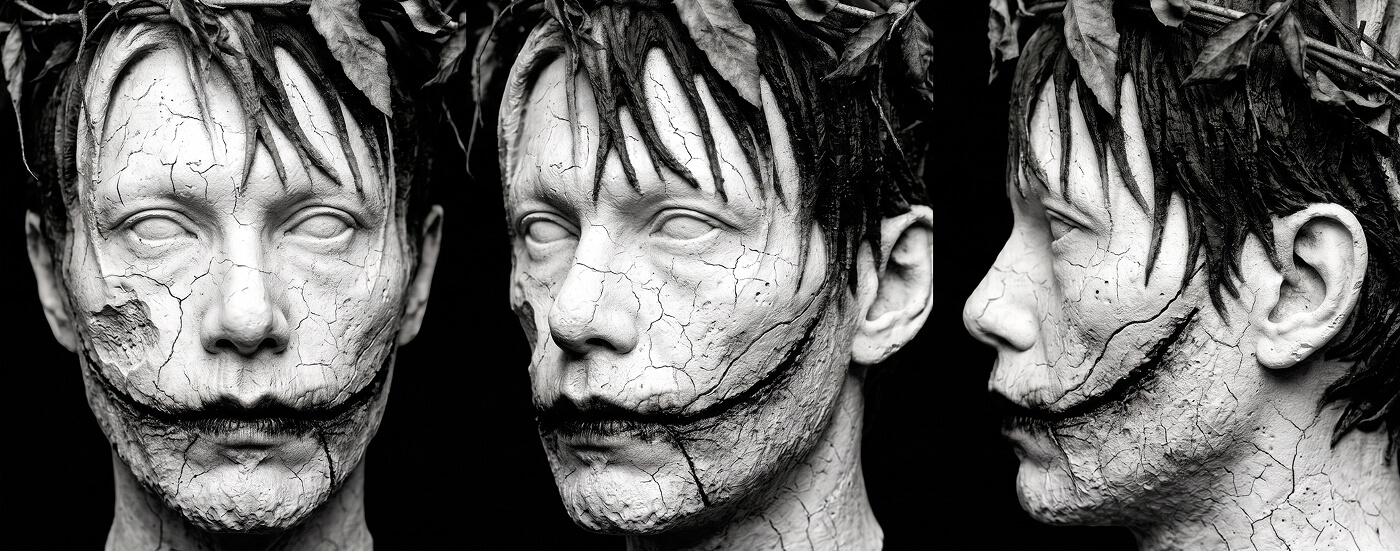
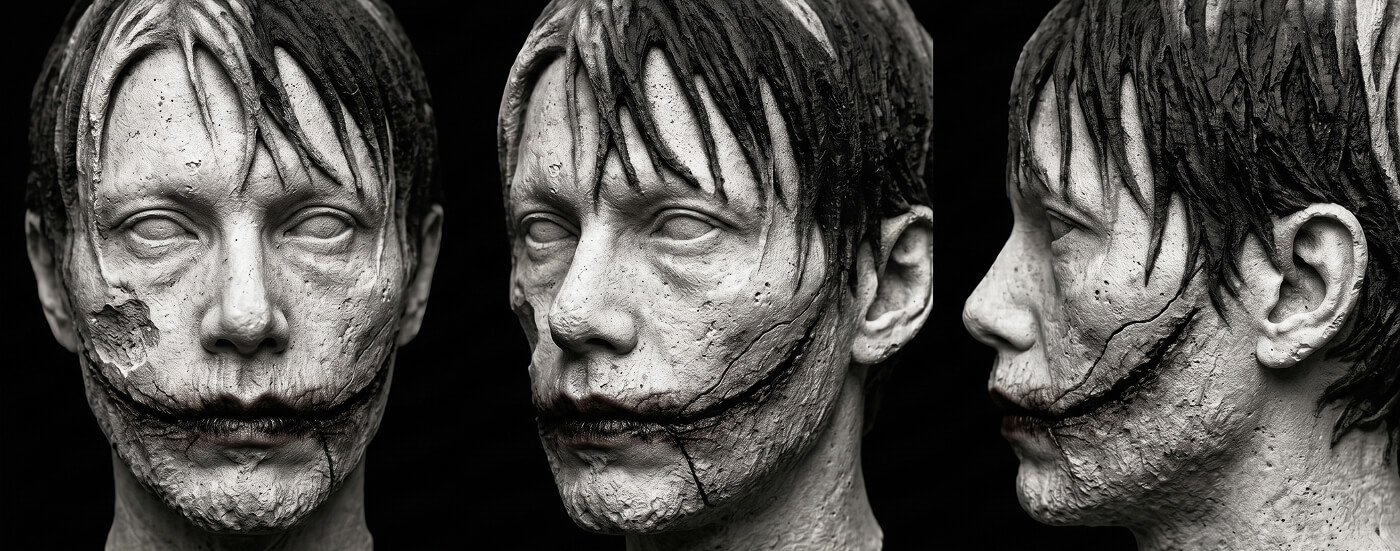
In the end, the person dissolves. What remains is a grimace, shaped by the verdicts of the mob: chalk-white, cracked skin, eyes like two black holes, and a smile stitched crudely across the cheeks. Not an expression of joy, but a scar left by someone else's will.
He laughs and weeps at once — black tears that no longer stop.
The face has become unreachable, a dehumanized monument. A being that can no longer speak, that serves only as a warning image — something to turn away from.
The Physicality of Exclusion
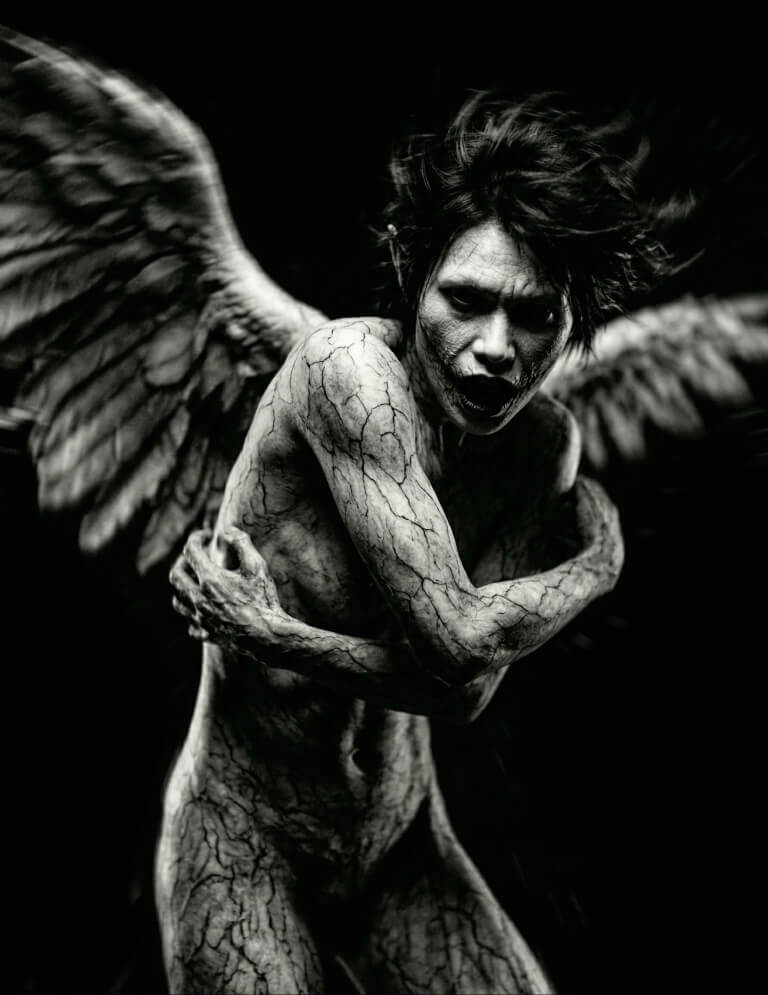
The transformation is a physical process. Each material carries its own phase of estrangement.
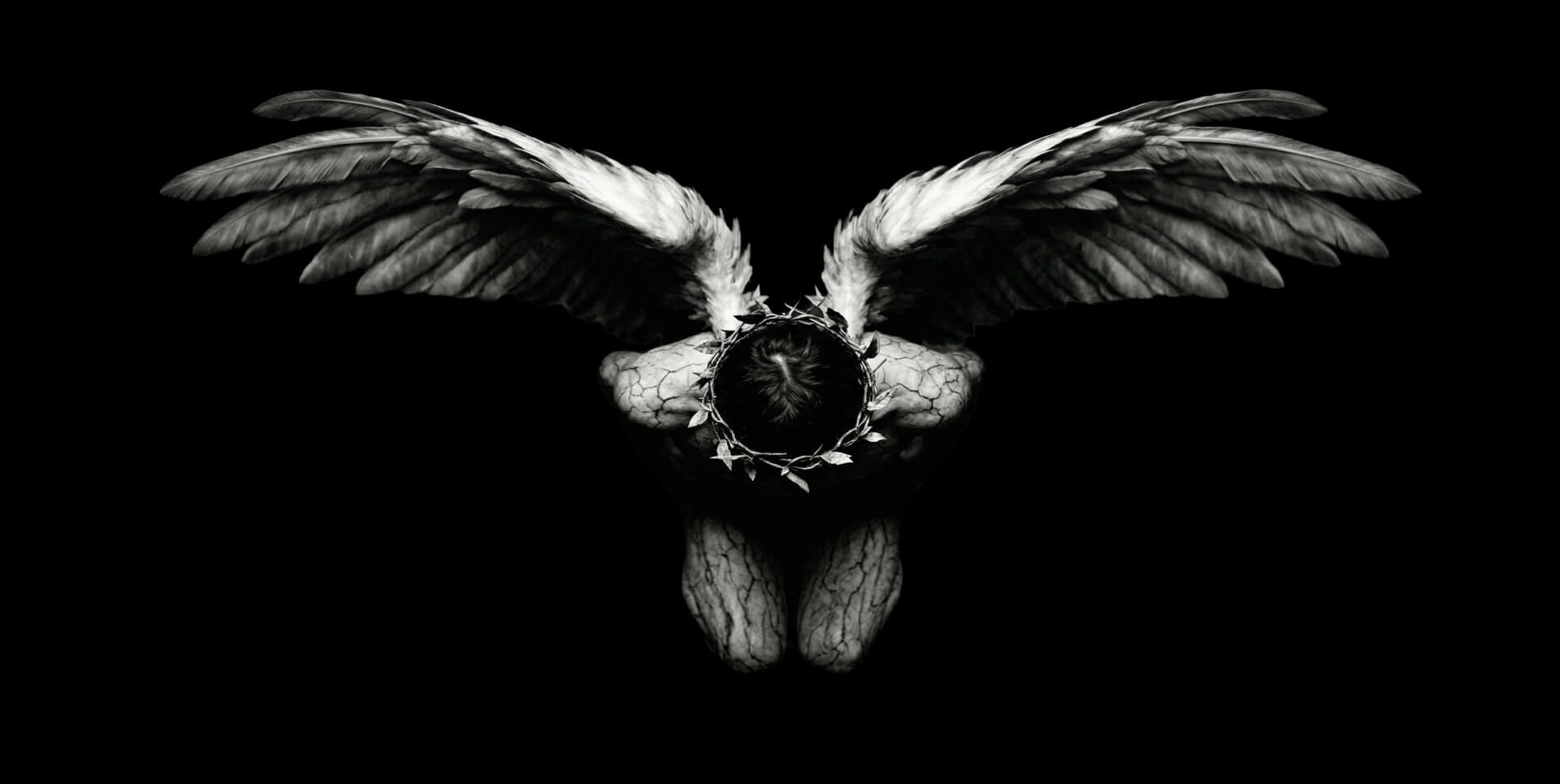
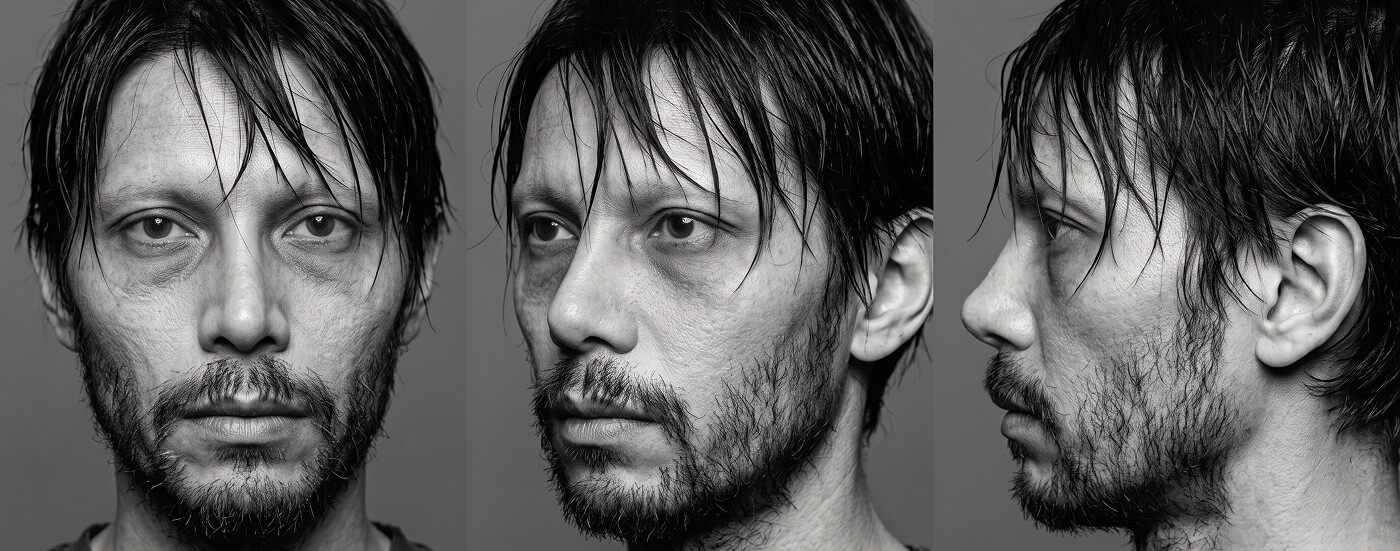
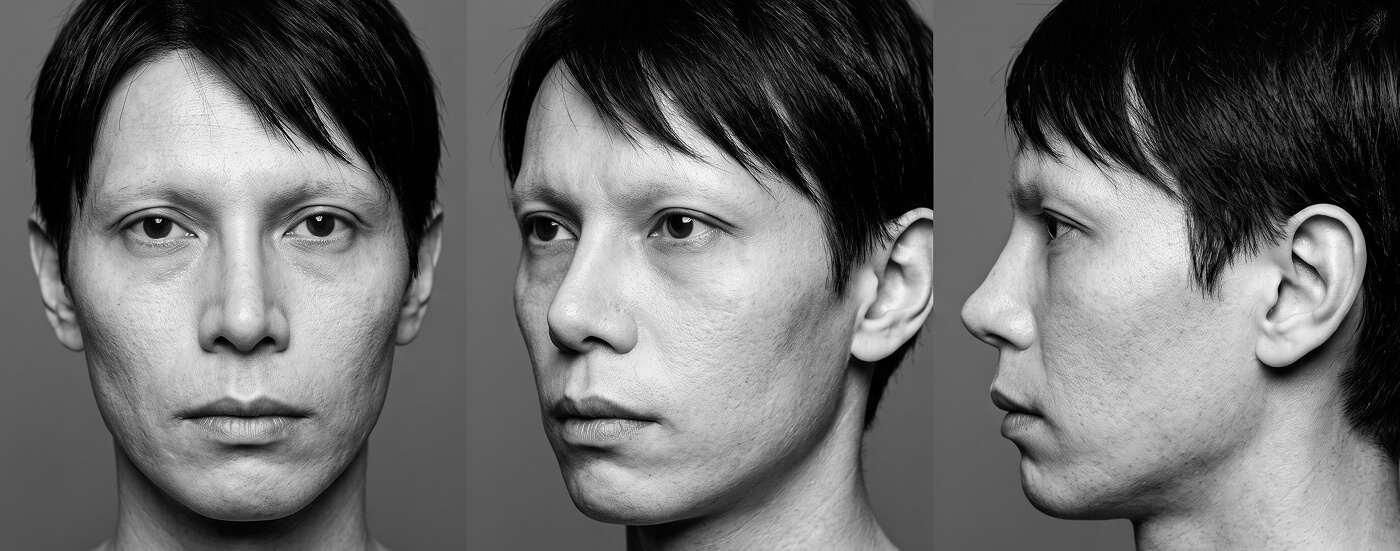
At the beginning stands skin, unprotected and breathing. The thorns and markings are still open wounds, fresh scars of a conflict just beginning. There is still pain. There is still someone facing you.
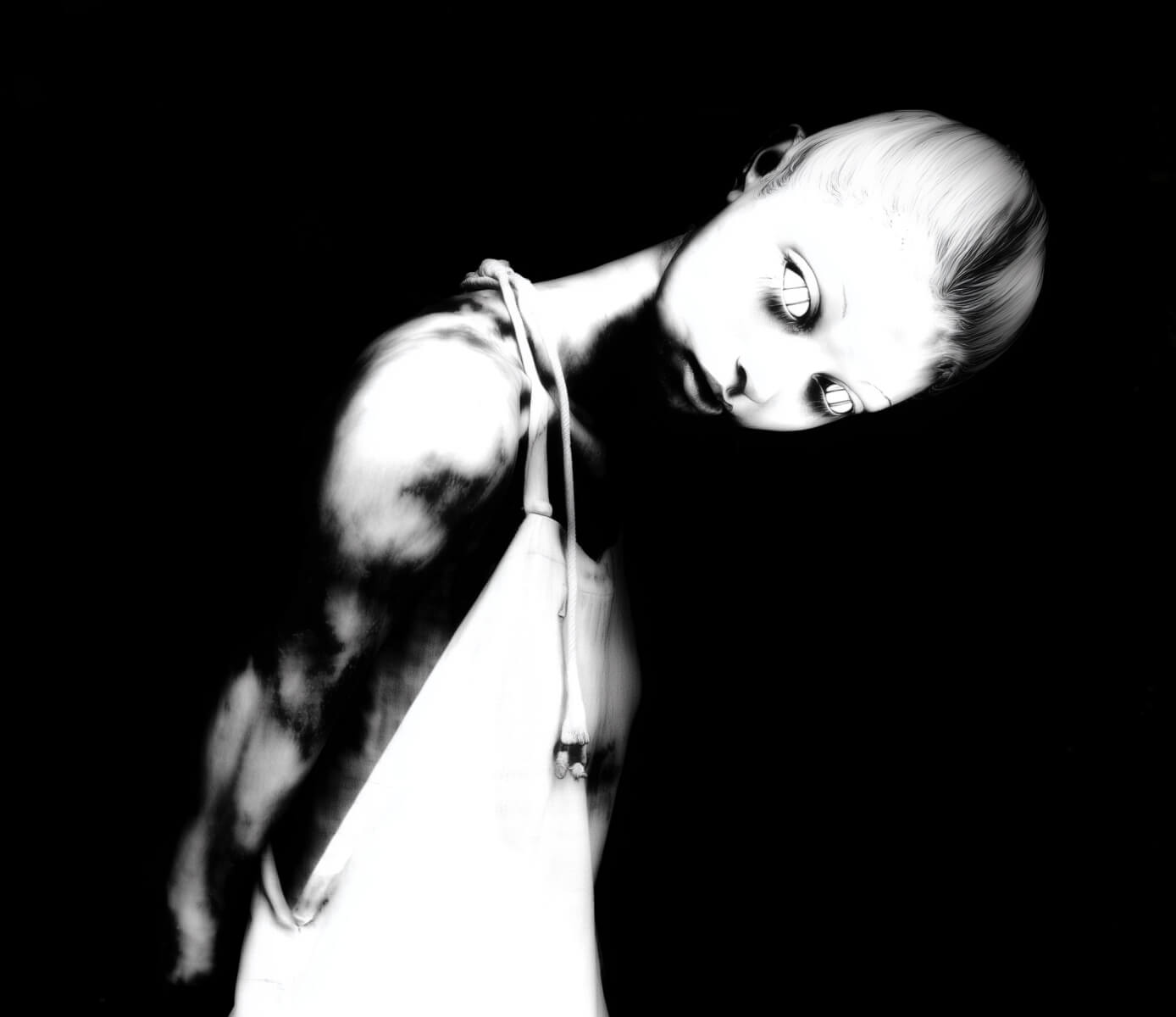
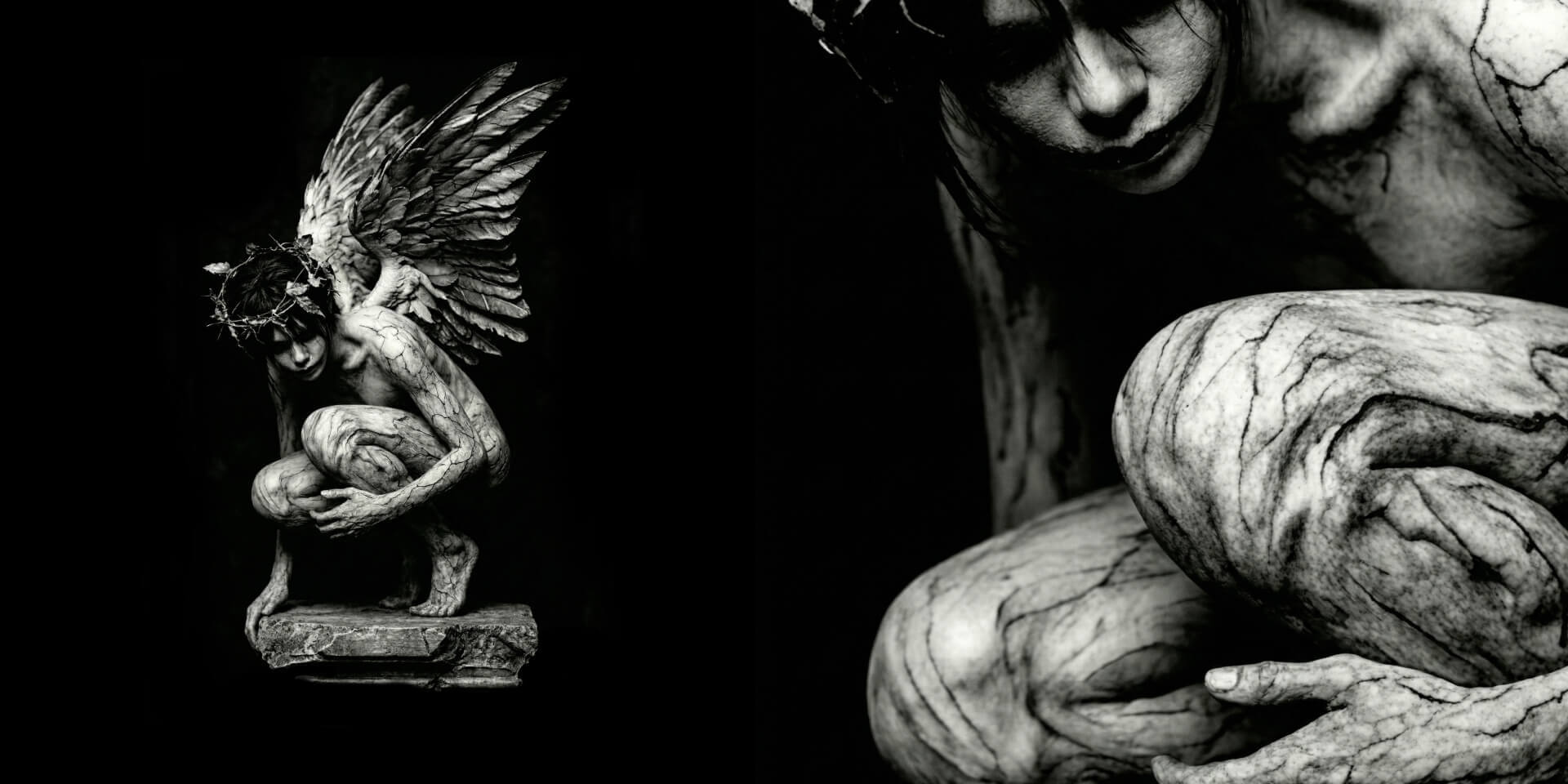
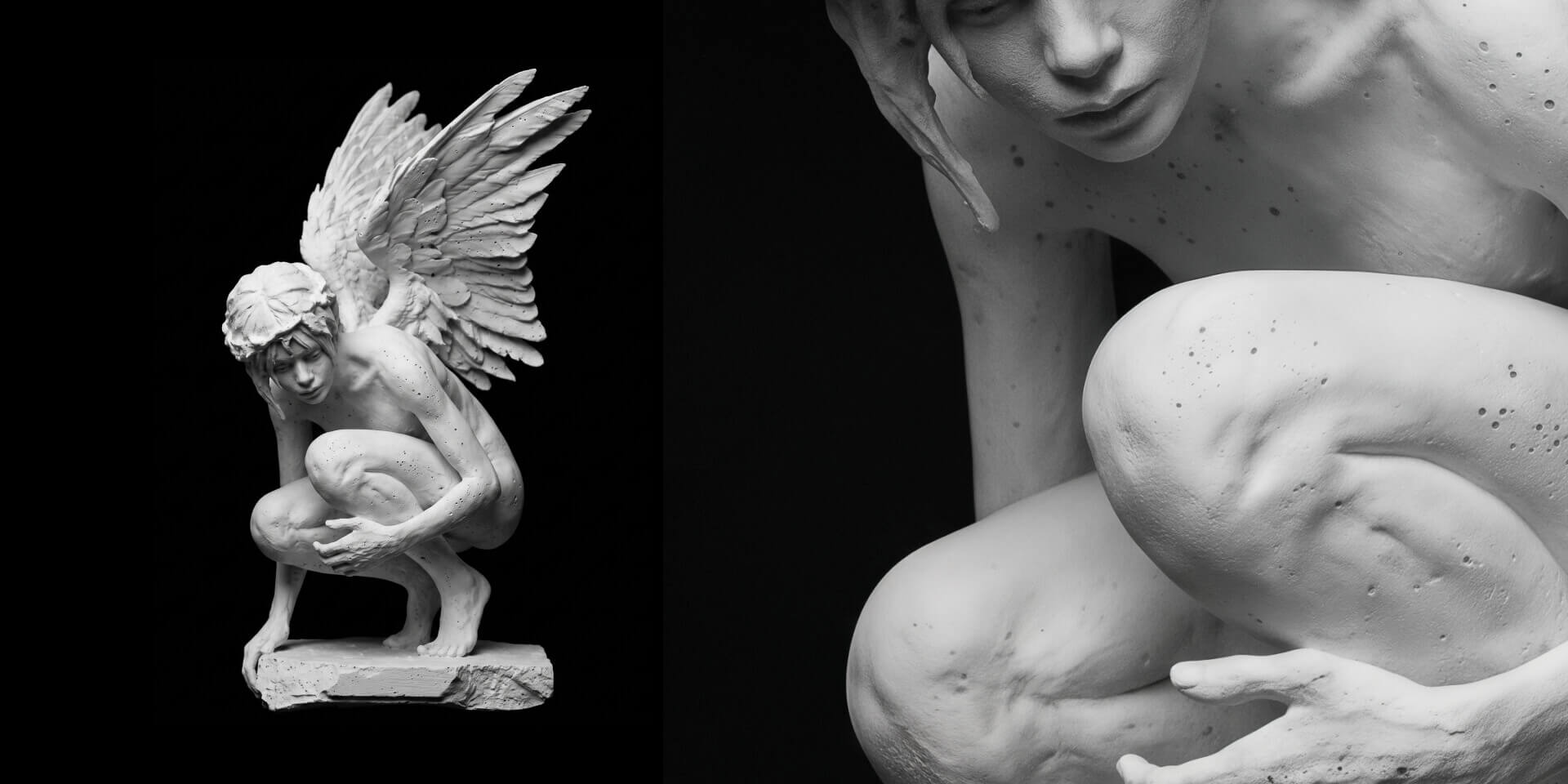
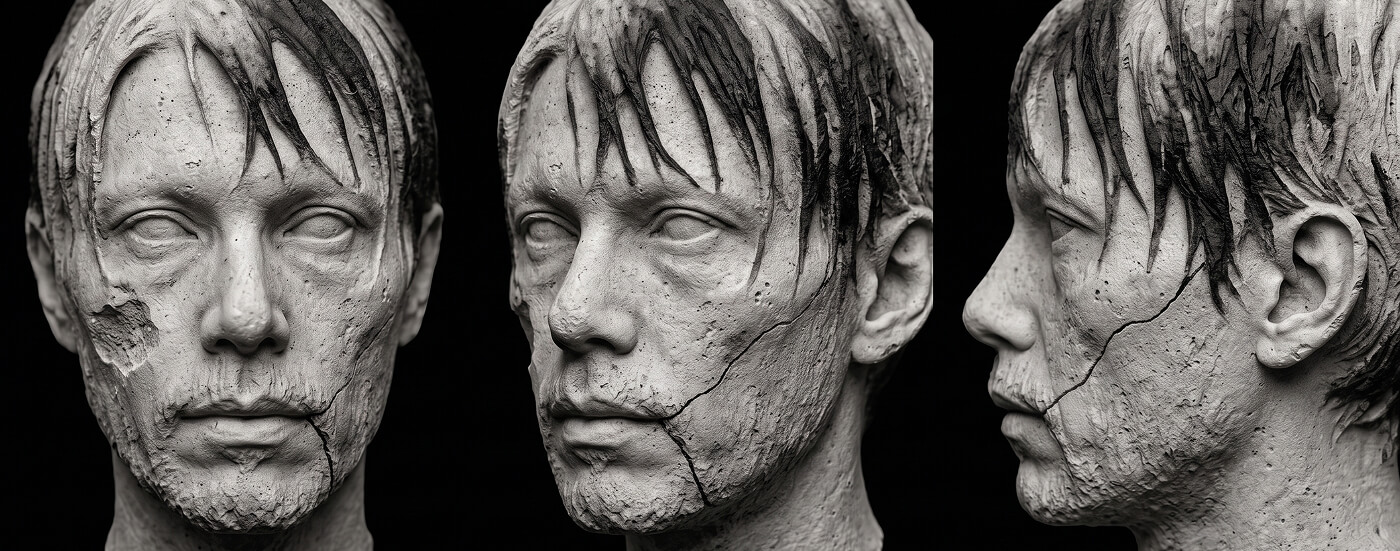
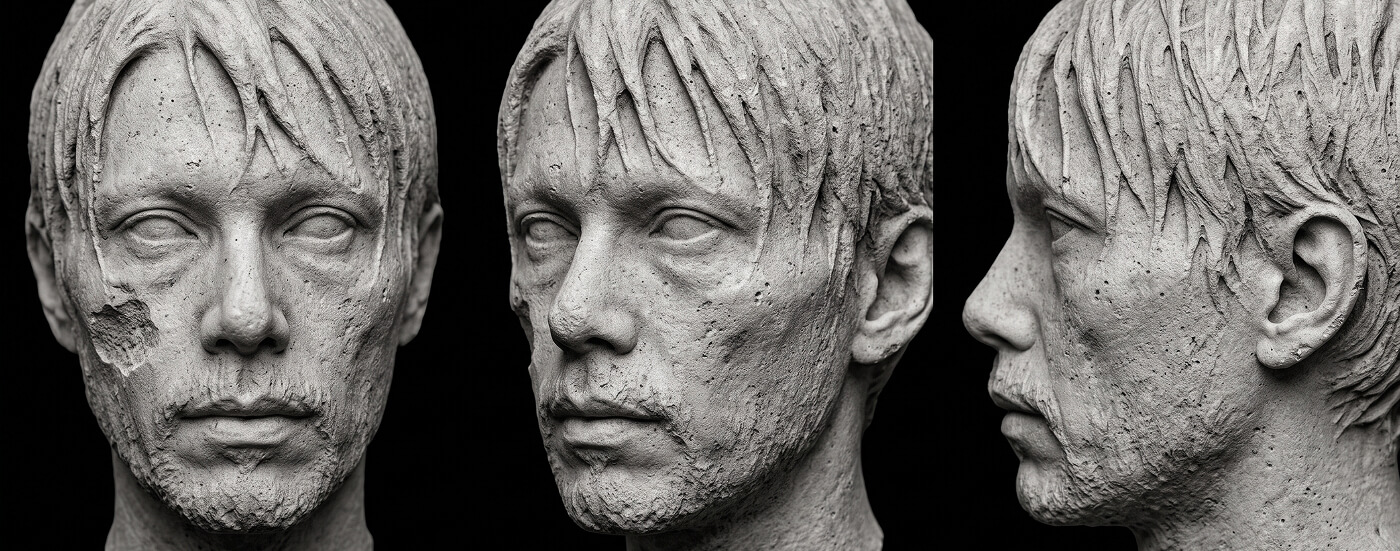
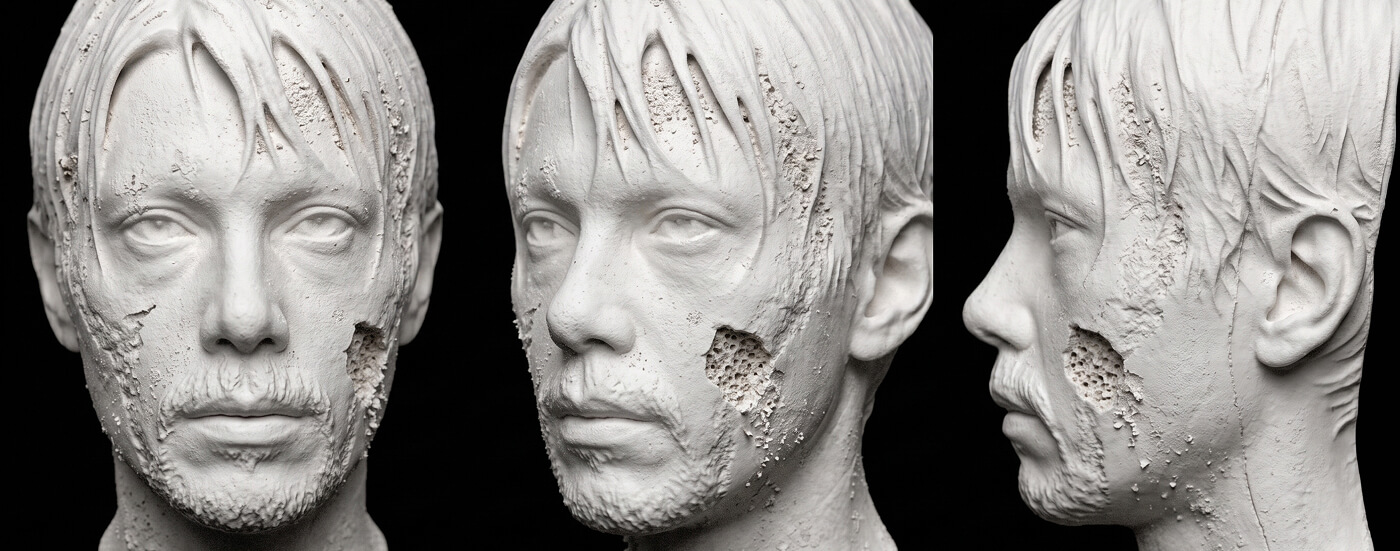
Plaster. The workshop material of casts and masks draws out every trace of moisture, drains the body of life while foreign hands work it. The figure is made pliable, cast, prepared for the mold.
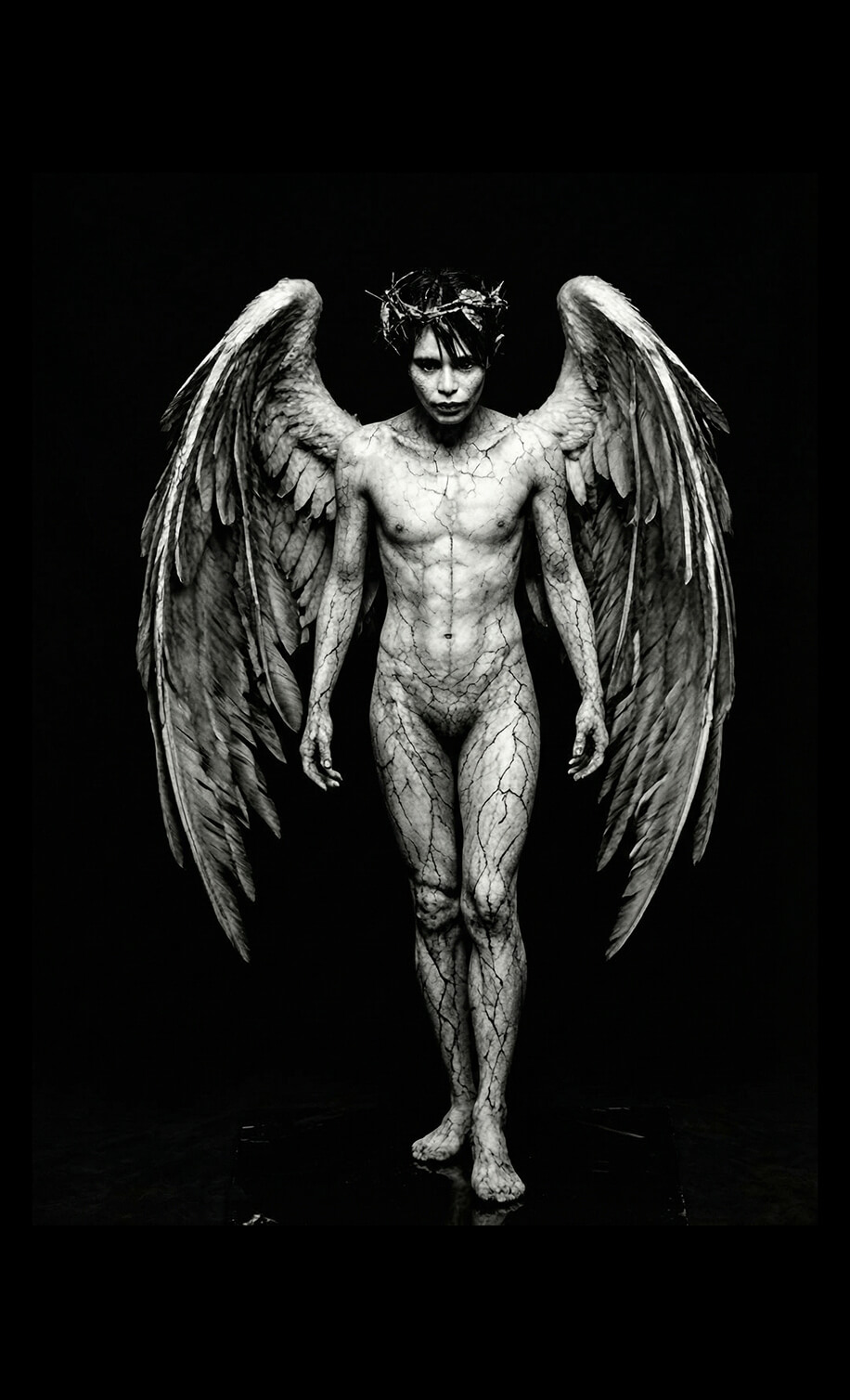
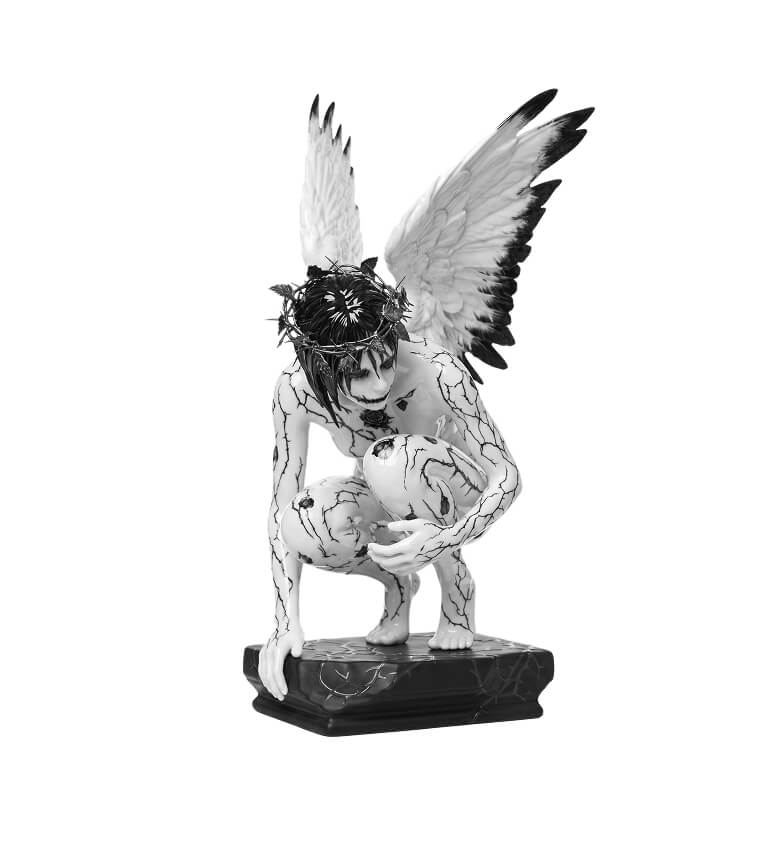
Porcelain. The skin gives way to a shell — fragile, but numb. It no longer takes on warmth. Fine cracks, painted-on thorns, a kintsugi of ostracism: the pain is aestheticized, the subject becomes a display piece. One looks. One no longer touches.
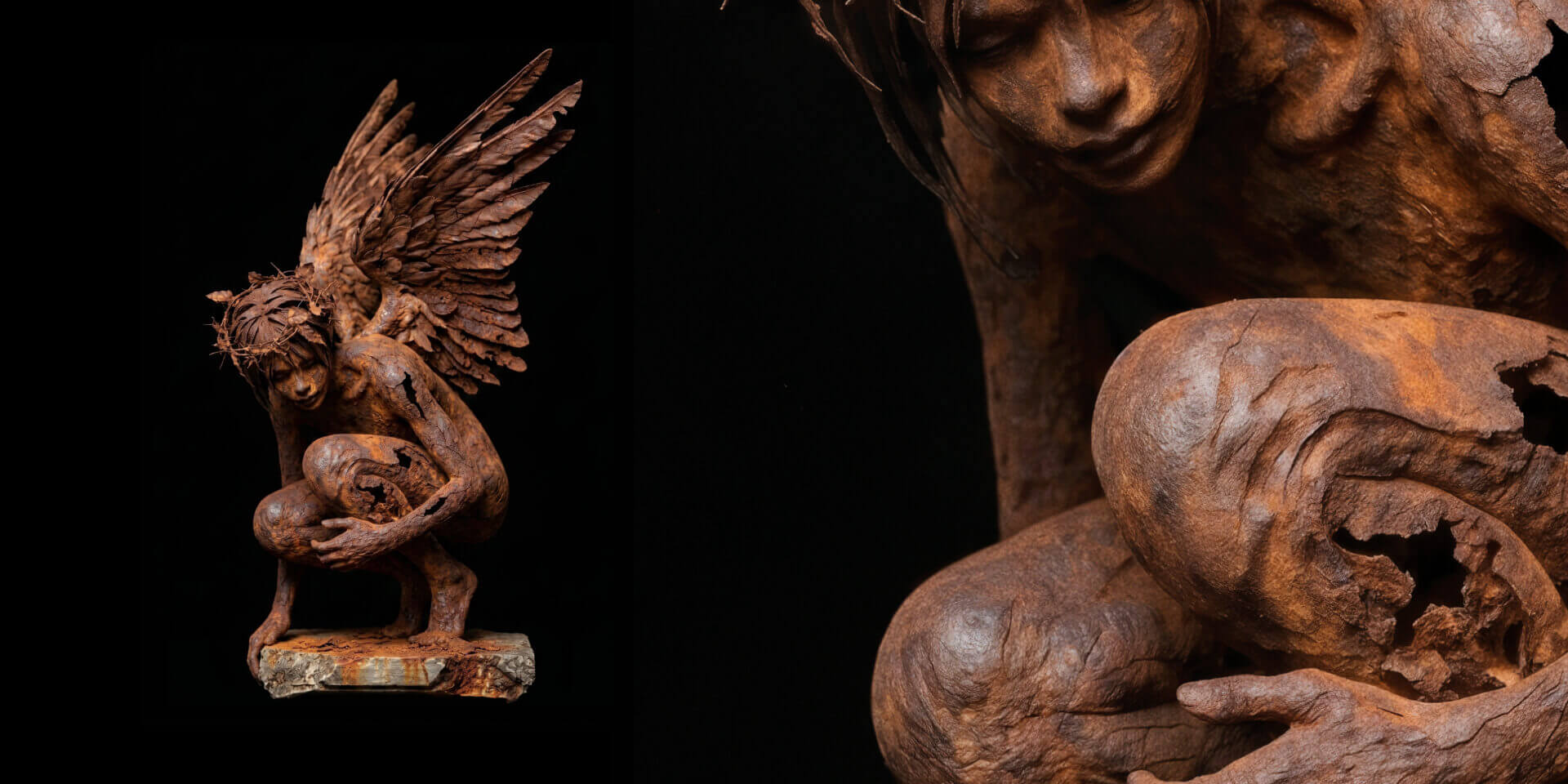
Rust. Rough, corroded iron, blood-red crusts. Rust is the chemical consequence of isolation and time — what is left exposed to the weather consumes itself from within. The figure becomes a relic.
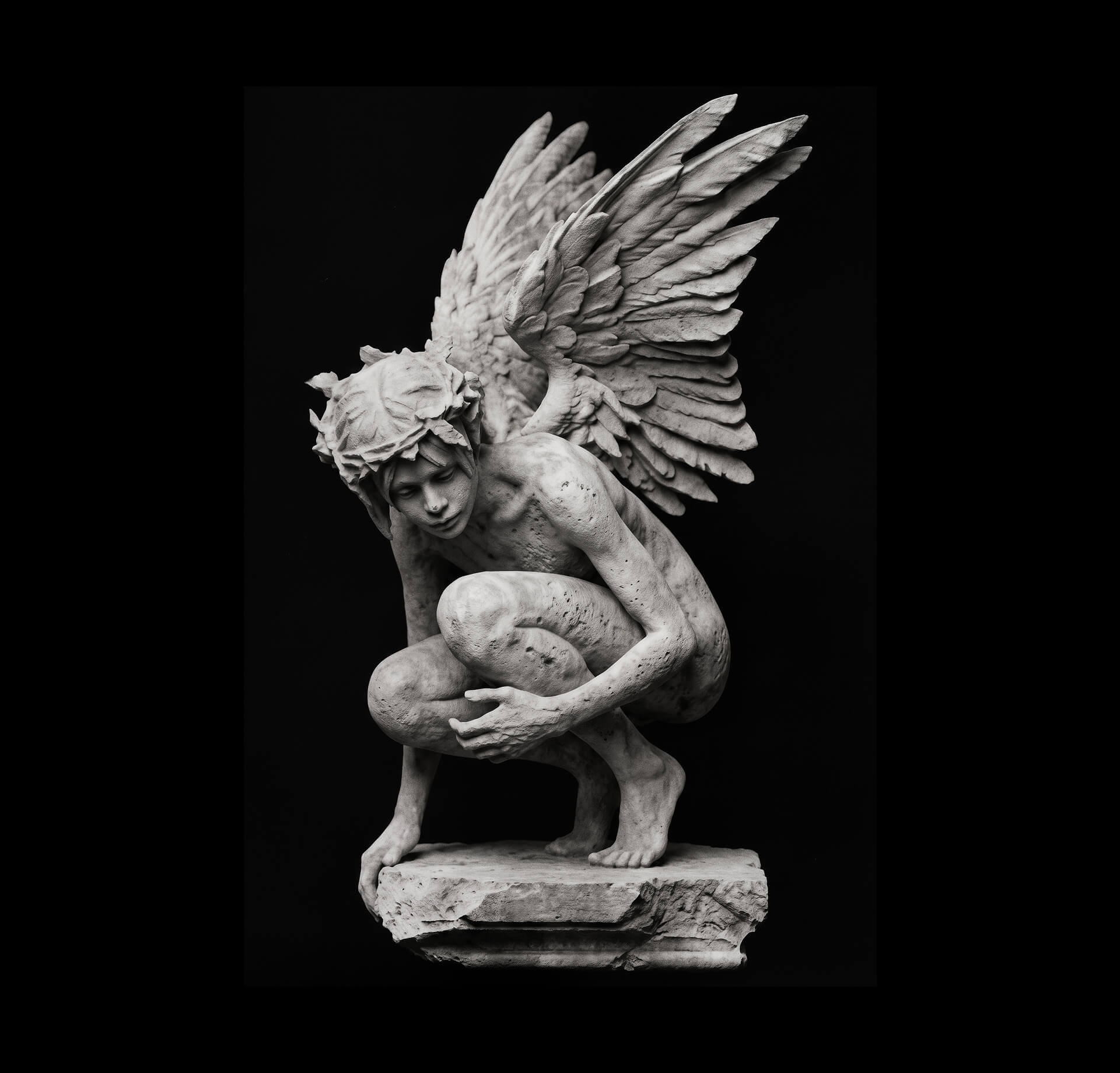
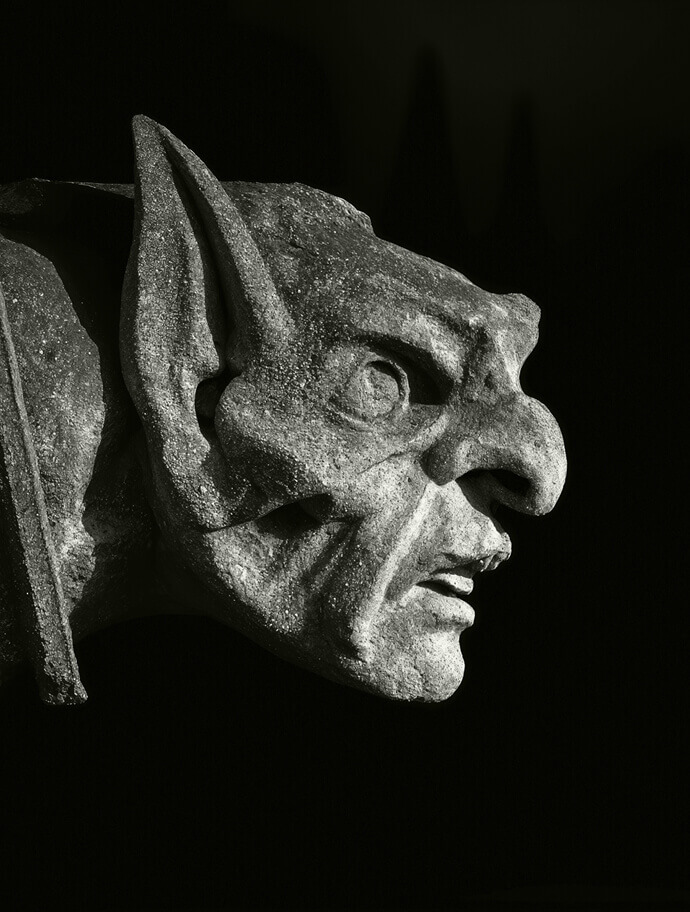
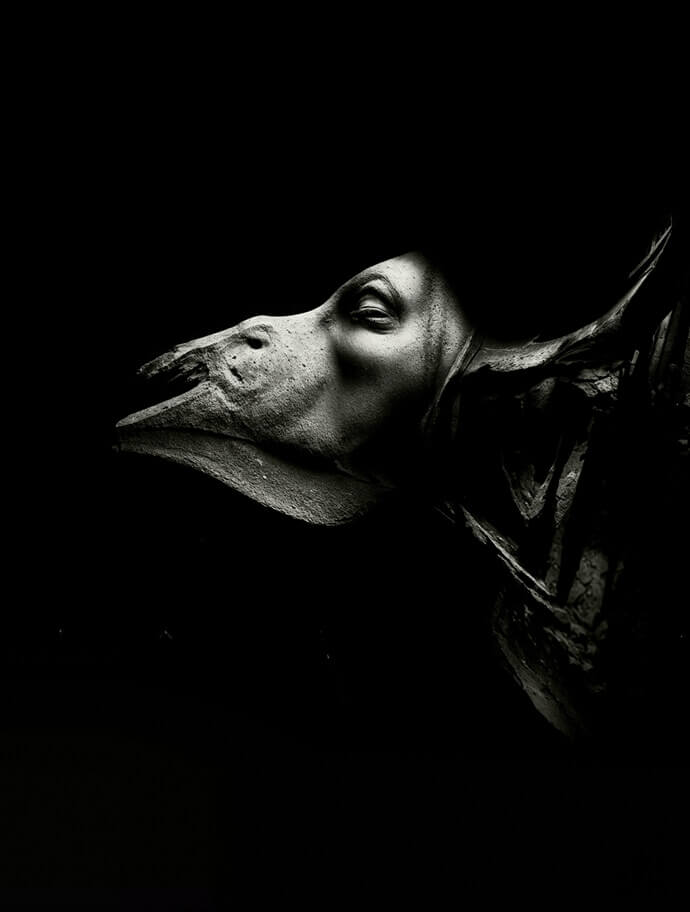
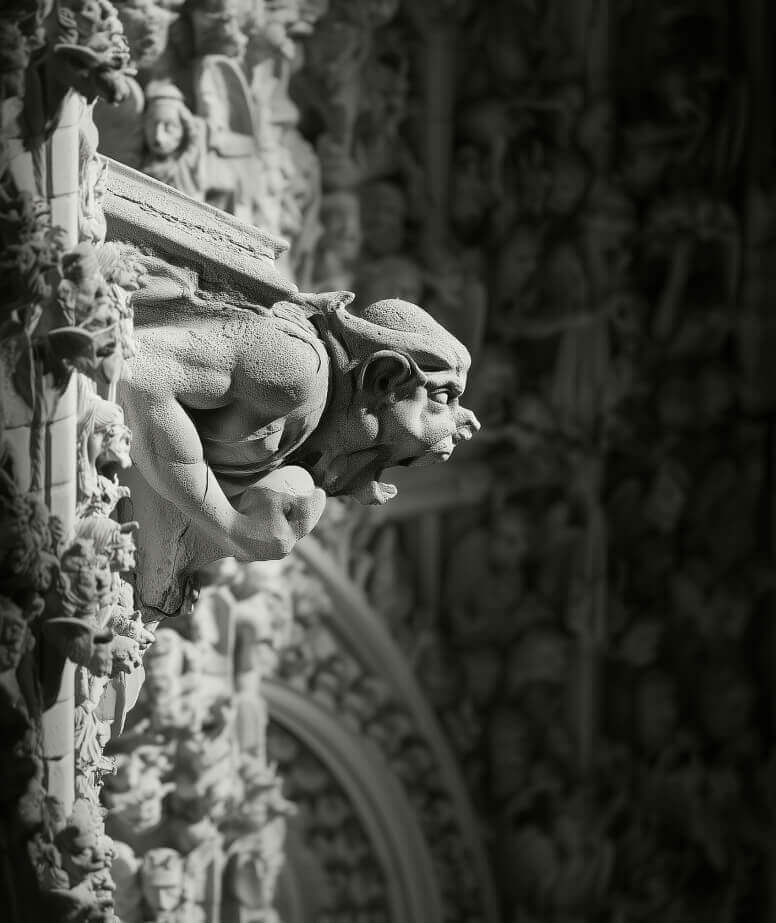
In the end, limestone. Centuries held in a single surface, contours that blur, edges that break away. No longer an individual — fully merged with the architecture of the cathedral.
The material is the verdict. It decides whether the figure is preserved as a saint, marveled at as decoration, or surrendered to time.
The Architecture of Judgment
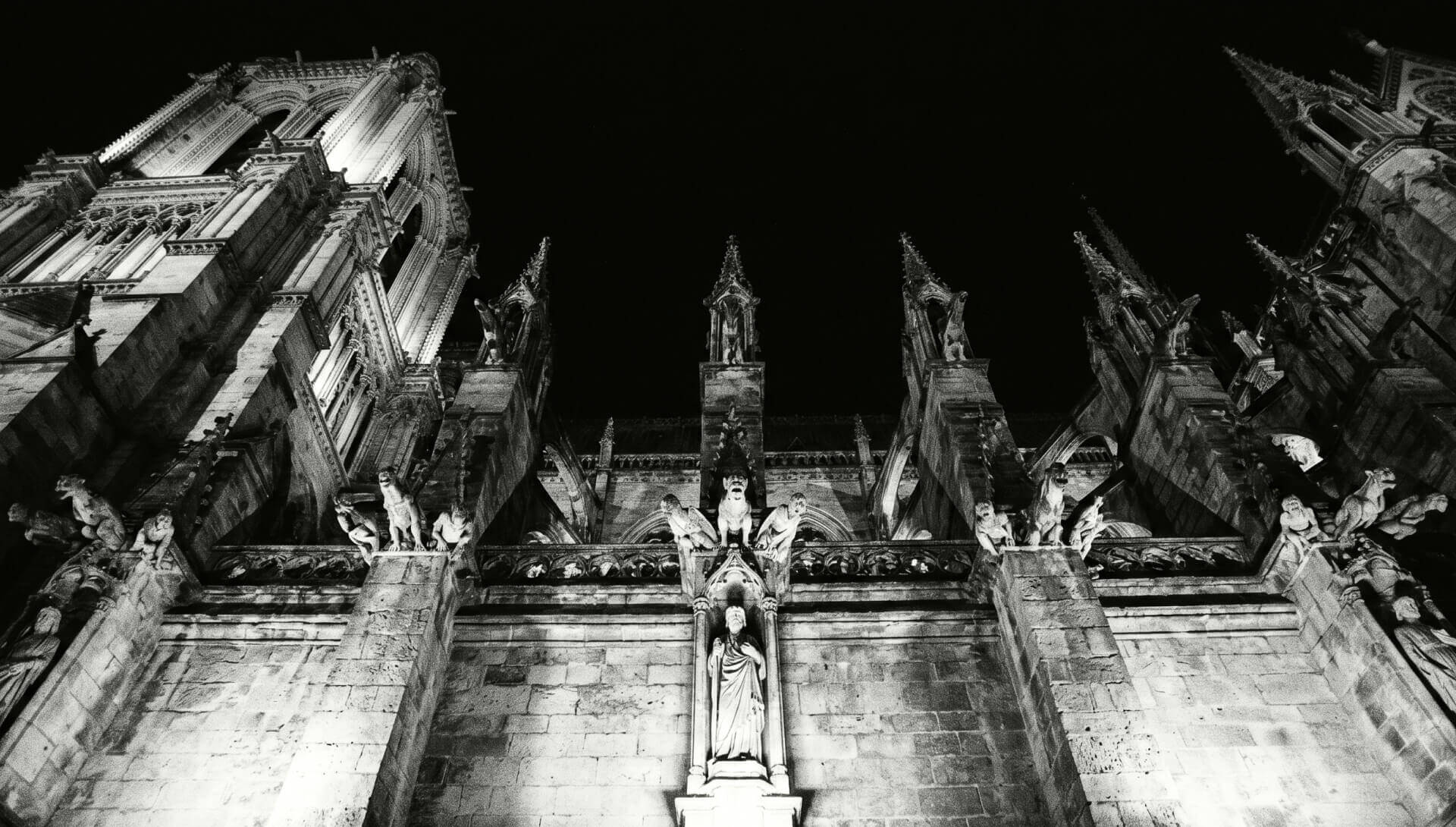
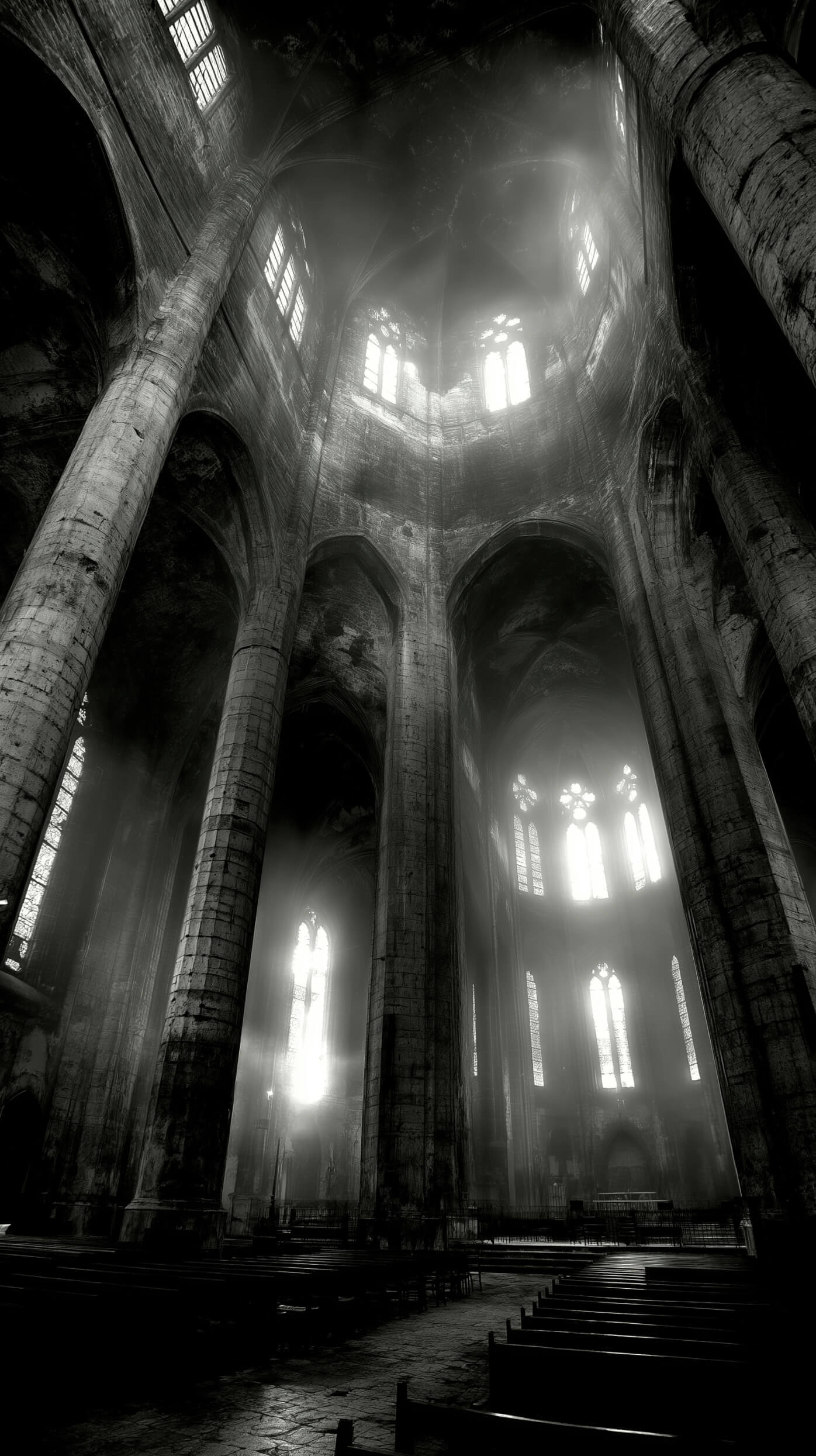
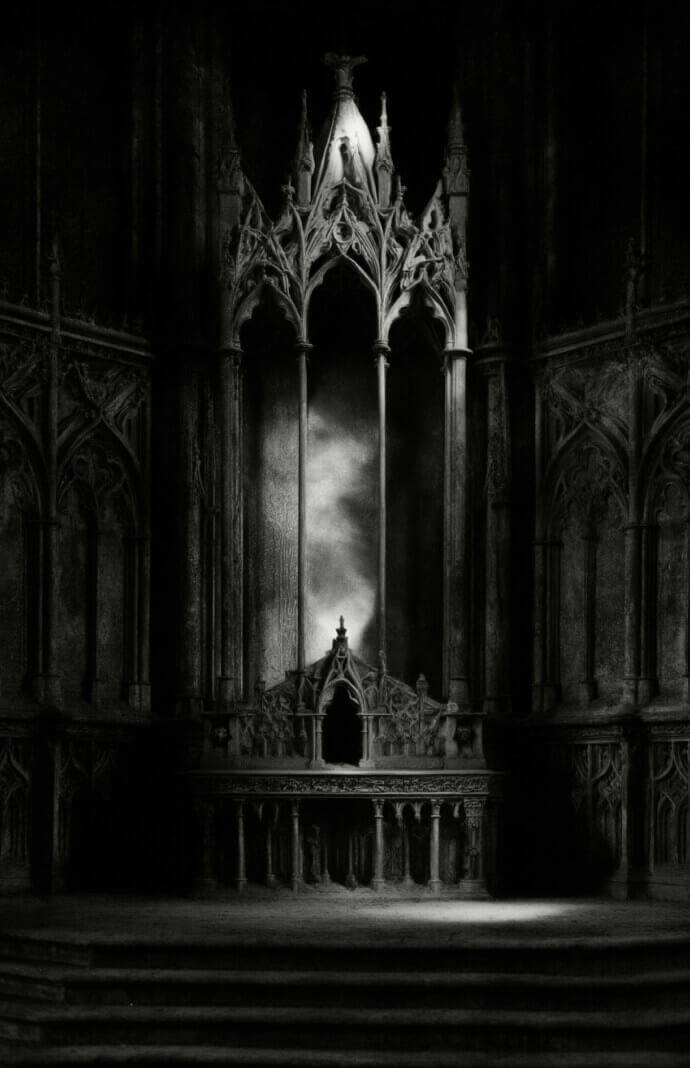
The space is the machinery itself. The Gothic cathedral is order made stone: verticals, ribs, a system that forces every block into its place. Whoever resists the structure must be hewn into shape.
At the portals, the stone-carved heads keep watch — grotesques, guardians, saints, crowded tight into the archivolts. A choir of the petrified, faces with no life of their own, reduced to warning at the threshold.
The altar is the site of exchange. Here, one does not speak — one consecrates. A person becomes a symbol, flesh becomes offering, so the community can celebrate its own purity.
The sacred space offers no protection. It frames the execution as duty — and outlasts everyone who ever passed the sentence. When the congregation has left and the incense has faded, only the cold geometry of stone remains.
The Metamorphosis
The transformation is a gradual petrification. Nine movements of the Requiem — nine stages of systematic alienation.
What begins as an unprotected human face within the crowd is processed, fixed, and overwritten, layer by layer. Flesh yields to crumbling plaster, plaster hardens into rough stone, until the figure merges completely into the architecture of judgment.
Each movement of the score executes another intervention. The verses of the Requiem form the record of a successive erasure: in the end, no living being remains, but a sacred construct, molded to the will of the collective.