


Dirk Habenschaden and ChatGPT, Oct 7, 2025
Digital Art – Between Code and Creativity
What Is Digital Art?
Digital art refers to artistic works that are created using digital technologies or presented within digital environments. It encompasses a wide range of expressive forms — from computer-generated images and video or sound works to interactive and immersive installations.
Unlike traditional art forms, digital art uses the computer not only as a tool but often as an active component of the creative process. It reflects the aesthetic, technological, and societal changes brought about by digitalization and significantly shapes our understanding of contemporary art in the 21st century.
How Is Digital Art Created?
The creation of digital art is based on the interplay between artistic intention and technological execution. Artists use software, algorithms, sensors, or artificial intelligence to produce visual, acoustic, or interactive works. In this context, the computer can function both as a tool and as a creative partner — for example, by generating shapes, patterns, or movement. Production methods range from digital painting and 3D modeling to data-driven installations and generative systems that evolve in real time or respond to viewers’ interactions.
What Were the Precursors — and What Happened in the Pioneer Era of the 1950s and 1960s?
As early as the 1950s, artists experimented with electronic image techniques — such as the American Ben Laposky, who created abstract “Oscillons” using an oscilloscope and captured them photographically. In the 1960s, true computer art emerged: engineers and artists collaborated at research institutions such as Bell Labs (USA) and MIT to produce the first computer drawings and animations.
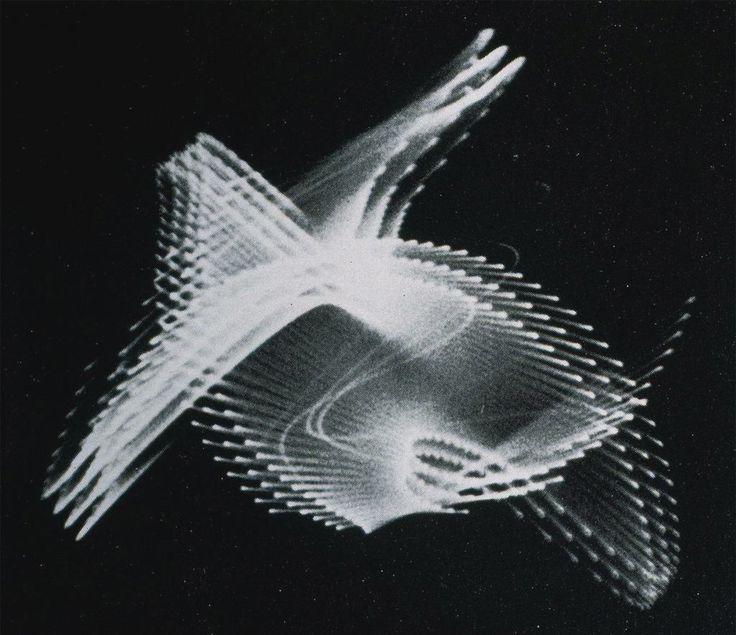
One of the earliest pioneers was John Whitney in the United States, who used mainframe computers to create abstract film animations.
In 1965, the first computer-generated graphics were finally presented in art exhibitions — almost simultaneously in New York (by researchers such as A. Michael Noll) and in Stuttgart (by Georg Nees and Frieder Nake).
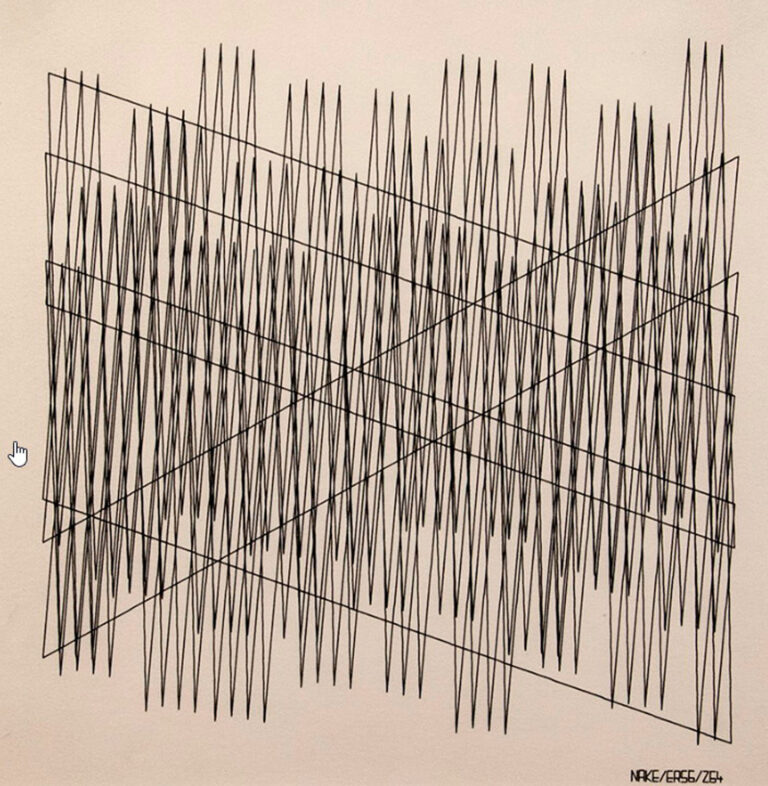
This pioneering phase laid the foundation for later algorithmic art and the idea of using computer code as a creative tool.
How Did the 1970s and 1980s Shape the Emergence of Algorithmic and Digital Art Forms?
In the 1970s, artists refined computer-generated art and developed generative methods. The British artist Harold Cohen created the first algorithmic drawings in the United States with his program AARON, and the French artist Vera Molnár programmed geometric plotter graphics — early examples of generative art.
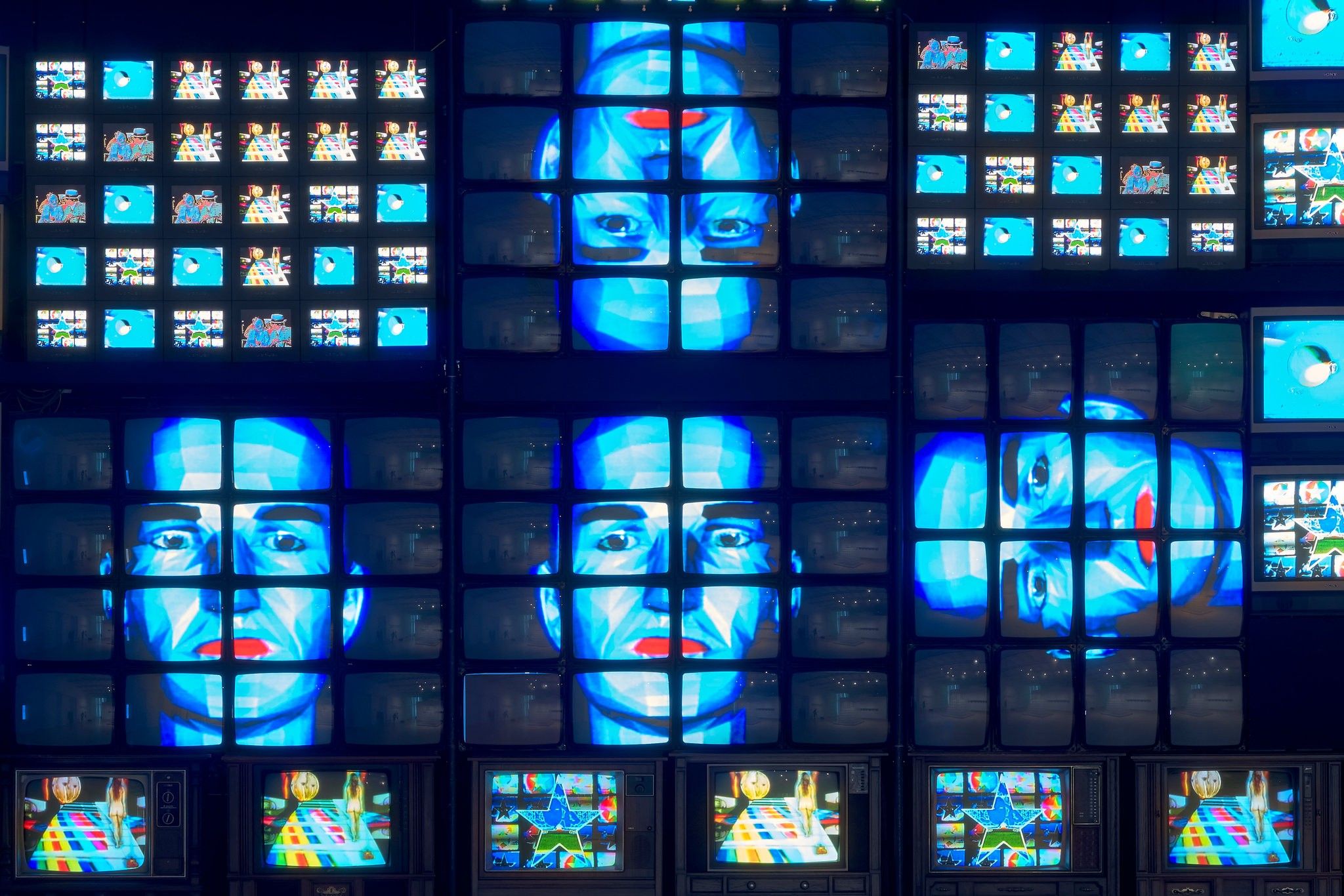
At the same time, video art established itself as part of electronic art; media artists such as Nam June Paik experimented with television technology and early computer graphics.
Technological development accelerated digital art in the 1980s: personal computers — especially the Apple Macintosh released in 1984 — and new software such as Adobe Photoshop (1988) made digital image creation accessible to a wider circle of artists.
Digital photography and image manipulation also entered the arts: artists like Robert Rauschenberg and Nam June Paik began to integrate computer-generated imagery and digital effects into their works in the 1980s.
Art festivals and awards such as Ars Electronica (founded in 1979 in Linz) now explicitly focused on digital and computer-based art, further strengthening recognition of this new art form.
How Did Internet Art and Interactive Media of the 1990s Transform the Art World?
The 1990s brought a profound shift to digital art through the rise of the internet. The World Wide Web (1991) opened a global network for artists, giving rise to Net Art — a genre in which the web itself became both artistic medium and distribution platform.
For the first time, online galleries and virtual museums emerged, making digital art accessible to audiences worldwide.
Important events established themselves during this period: the SIGGRAPH conference introduced a dedicated section for computer animation, and the International Symposium on Electronic Art (ISEA), held regularly since 1988/1993, became a vital forum where artists and technologists could exchange ideas.
Traditional artists also began adopting digital tools: painters like David Hockney experimented with computer-assisted painting, and the first digital sculptures and 3D animations appeared, modeled after classical forms.
By the end of the decade, early interactive art installations emerged, involving the viewer directly — a precursor to the immersive digital art experiences of the years to follow.
How Did Global Connectivity in the 2000s Lead to New Forms of Immersive Art?
In the early 21st century, digital art became a global phenomenon. Online platforms such as deviantART (2000) and later Behance enabled digital artists around the world to share their work, collaborate, and receive direct feedback.
Social networks like Facebook and Instagram further expanded the reach of digital art, helping new trends spread virally and making digital creation visible to mainstream audiences.
The 2000s also saw a rise in immersive installations and mixed-media artworks: artists combined projections, sensors, and virtual reality to create interactive experiences.
Pioneers such as David Rokeby and Golan Levin integrated real-time interaction into their works — the artwork responded immediately to the actions of the audience.
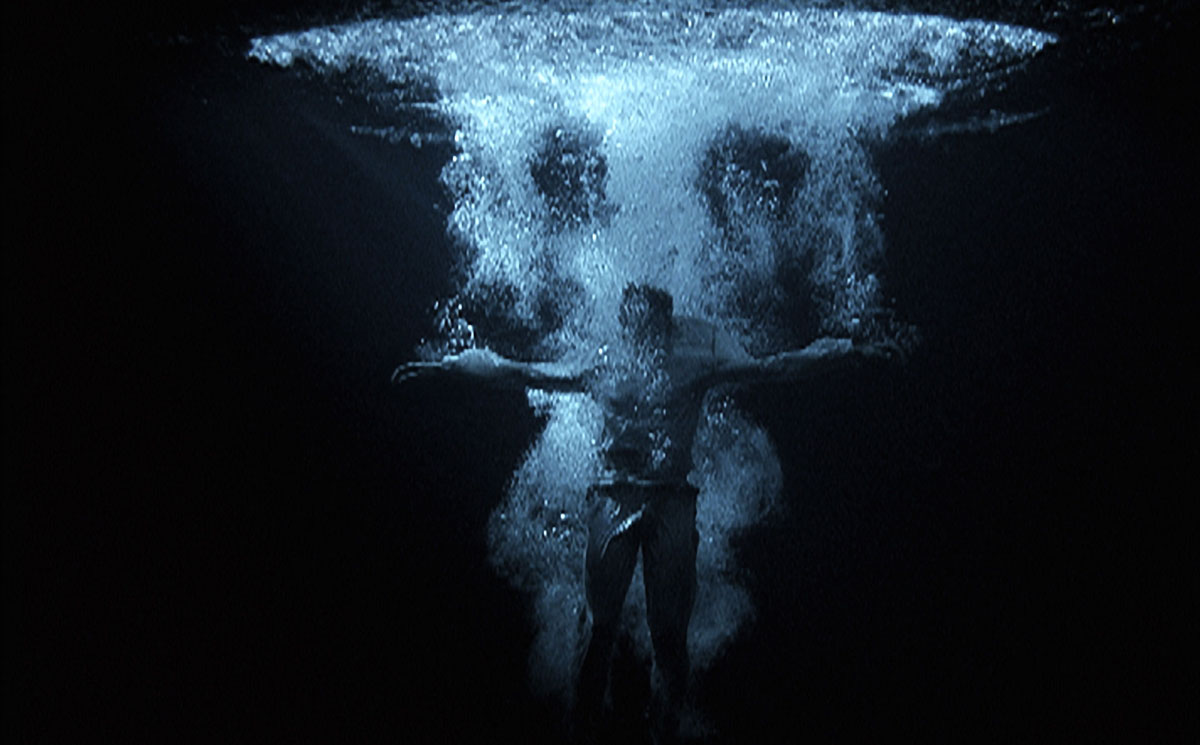
At the same time, video and media art reached new dimensions: video-art pioneers such as Bill Viola used high-resolution digital technology to stage moving images with unprecedented visual quality.
Overall, digital art forms were increasingly presented in museums and biennials throughout this decade, further solidifying their recognition within the art world.
How Have Artificial Intelligence and NFT Art Shaped the Art Landscape Since the 2010s?
In the 2010s, new technological currents moved into the spotlight.
Artificial intelligence (AI) became a creative tool: artists began experimenting with machine-learning algorithms and neural networks to generate images.
Early experiments existed before, but Google’s release of the DeepDream program in 2015 marked a milestone that sparked a new wave of AI art.
In 2018, an AI-generated portrait drew international attention when Edmond de Belamy — created by an algorithm — sold for more than USD 400,000 at Christie’s.
In parallel, a boom in NFT artworks emerged: with blockchain-based Non-Fungible Tokens, digital artworks could be uniquely certified and traded from the late 2010s onward.
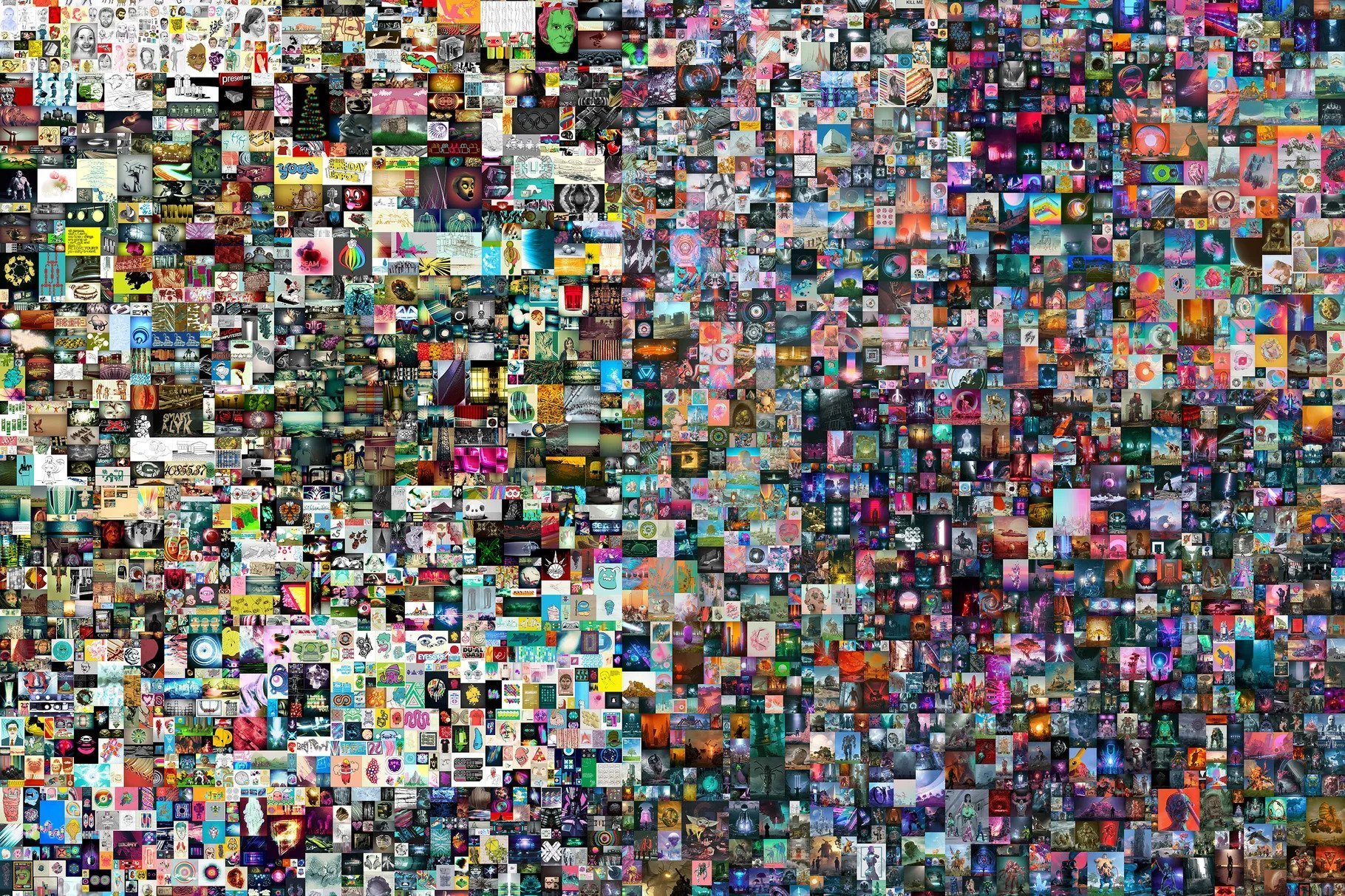
A defining moment came in 2021, when Beeple’s digital collage Everydays: The First 5000 Days was auctioned for around USD 69 million — a turning point demonstrating that purely digital works could be valued on the same level as traditional art.
Thanks to increasingly powerful technologies — from virtual reality to AI-driven tools — new forms of artistic expression continue to emerge, further shifting the boundaries between art, technology, and society.