December 2019. The lights were glittering, the champagne was flowing. I stood at the Christmas party of the agency I was working for at the time, looking back on one of our best years. The team was perfect, the mood at its peak, the energy incredible. In that moment, all I could think was: 'Wow, the Roaring Twenties are just around the corner!' I was convinced the coming decade would be bombastic. We were ready to conquer the world.
But we all know what happened next.
Now, nearly five years after the first lockdown, I feel the need to artistically process this period and how I experienced it. A journey back into a grotesque reality.
In THE GROTESQUE 20IES, the aesthetic of Art Deco becomes a projection of the uncanny. Elegance does not protect against the grotesque; it lends it a disturbing form of normalcy. It is the visual dissection of an era in which the mask was no longer a mere accessory, but mutated into the new, expressionless skin of a society.
01
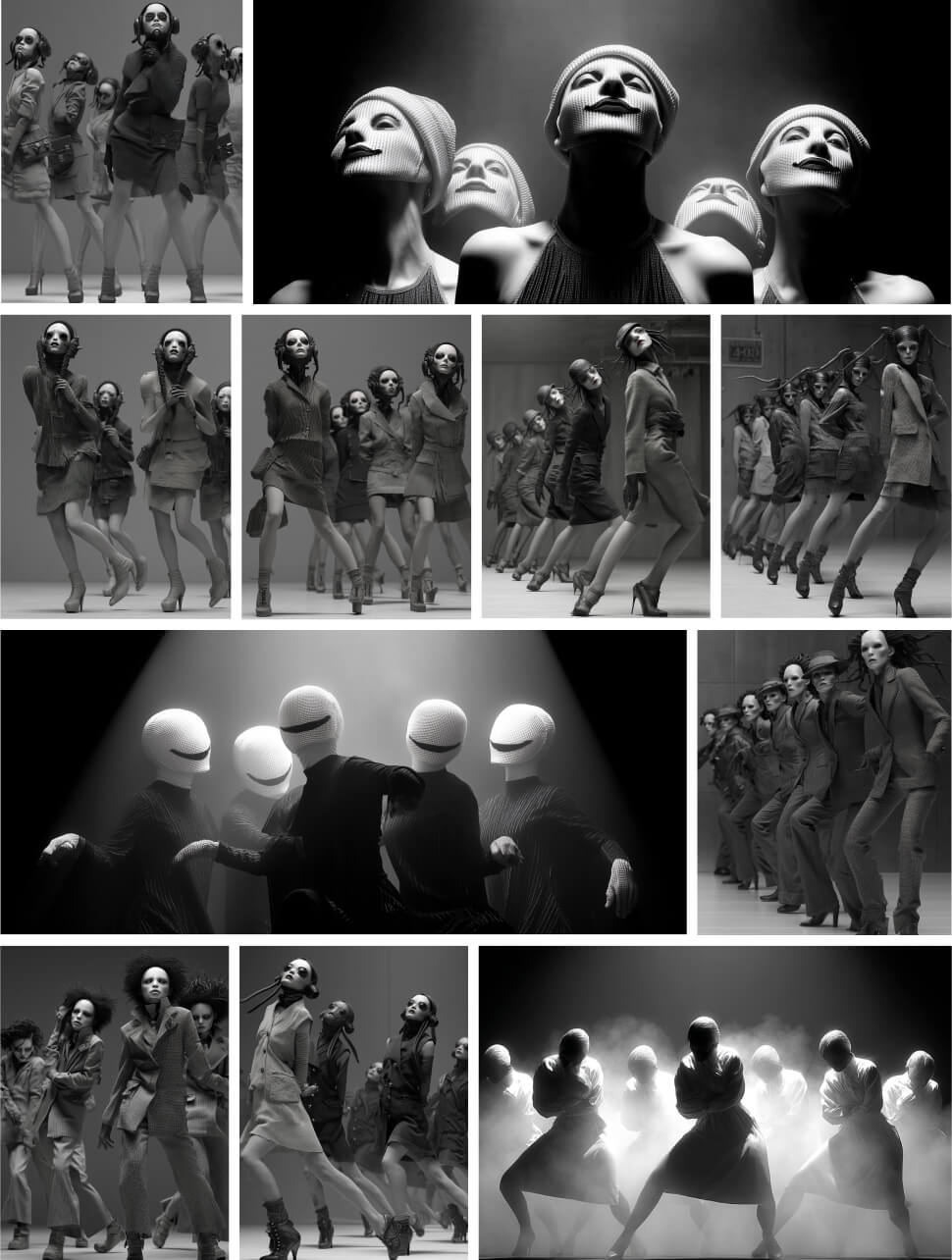
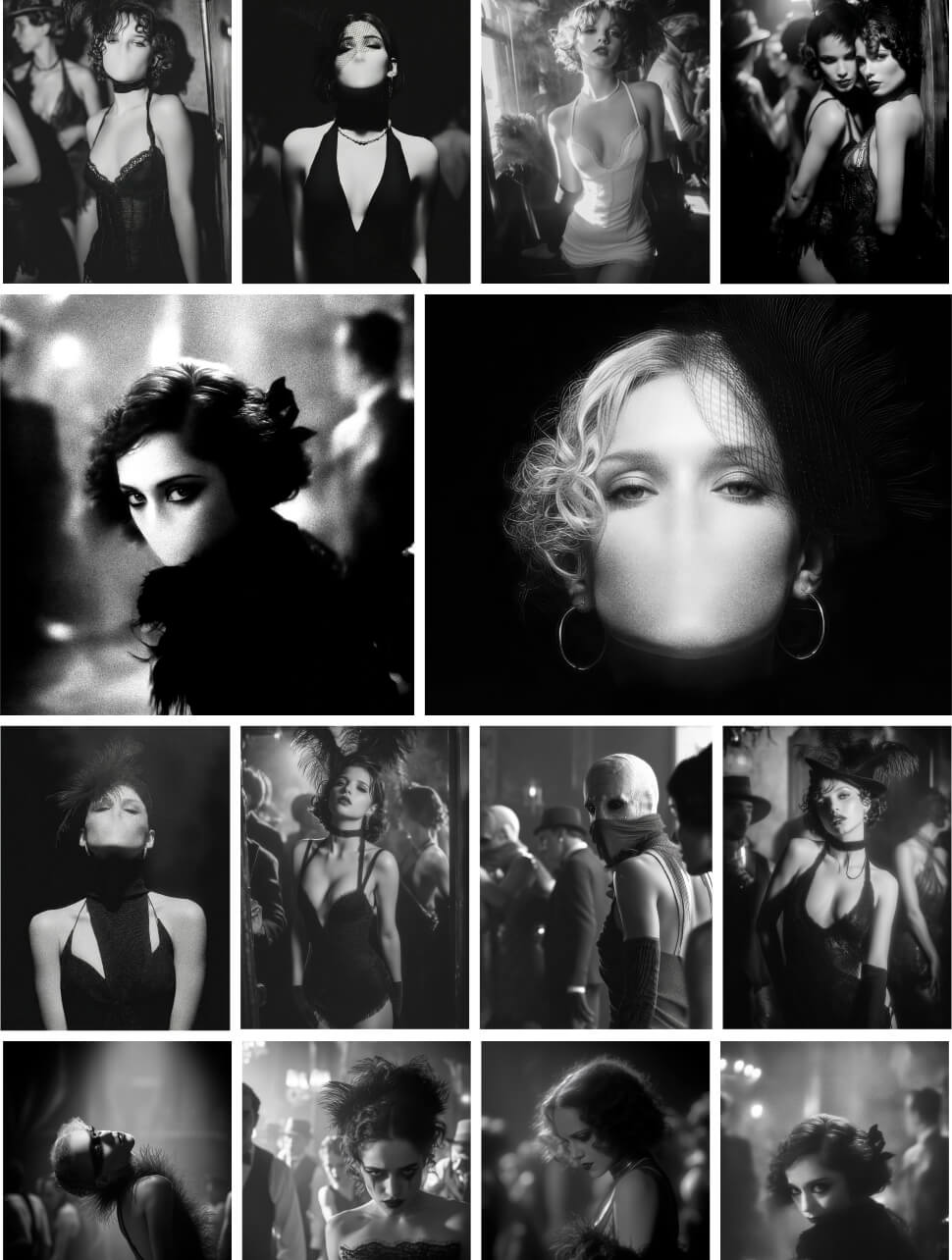
We expected a celebration, but we awoke in a masquerade. The rhythm of the 1920s is still there, but the faces have changed. Behind the pearls and pinstripes, the monsters emerged. A visual processing of a time that did not unfold as we had imagined.
The Twisted Masquerade functions as a sociological tableau. Behind the stylized facades of the 1920s, the series unmasks the creeping dehumanization of a society in a state of emergency.
The Twisted Masquerade.
02
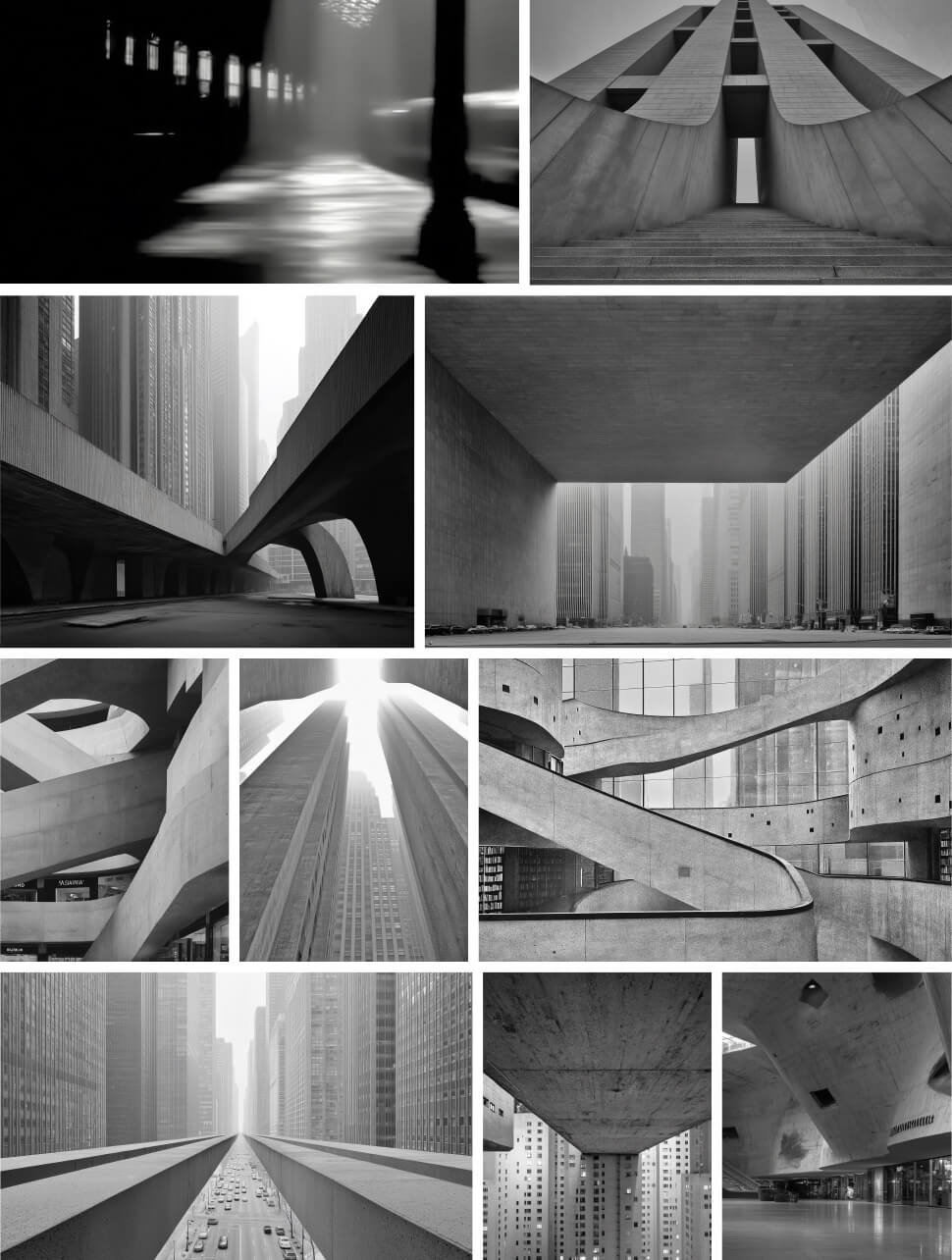
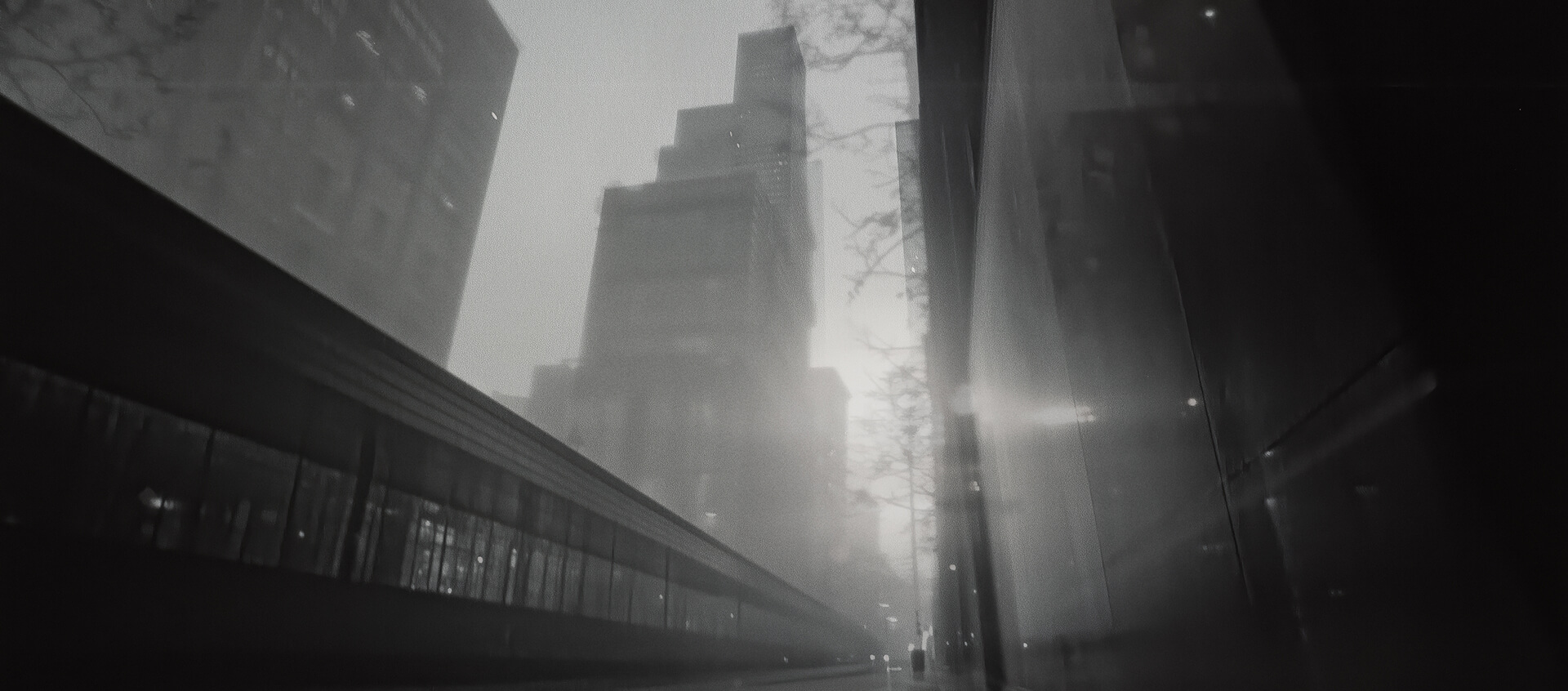
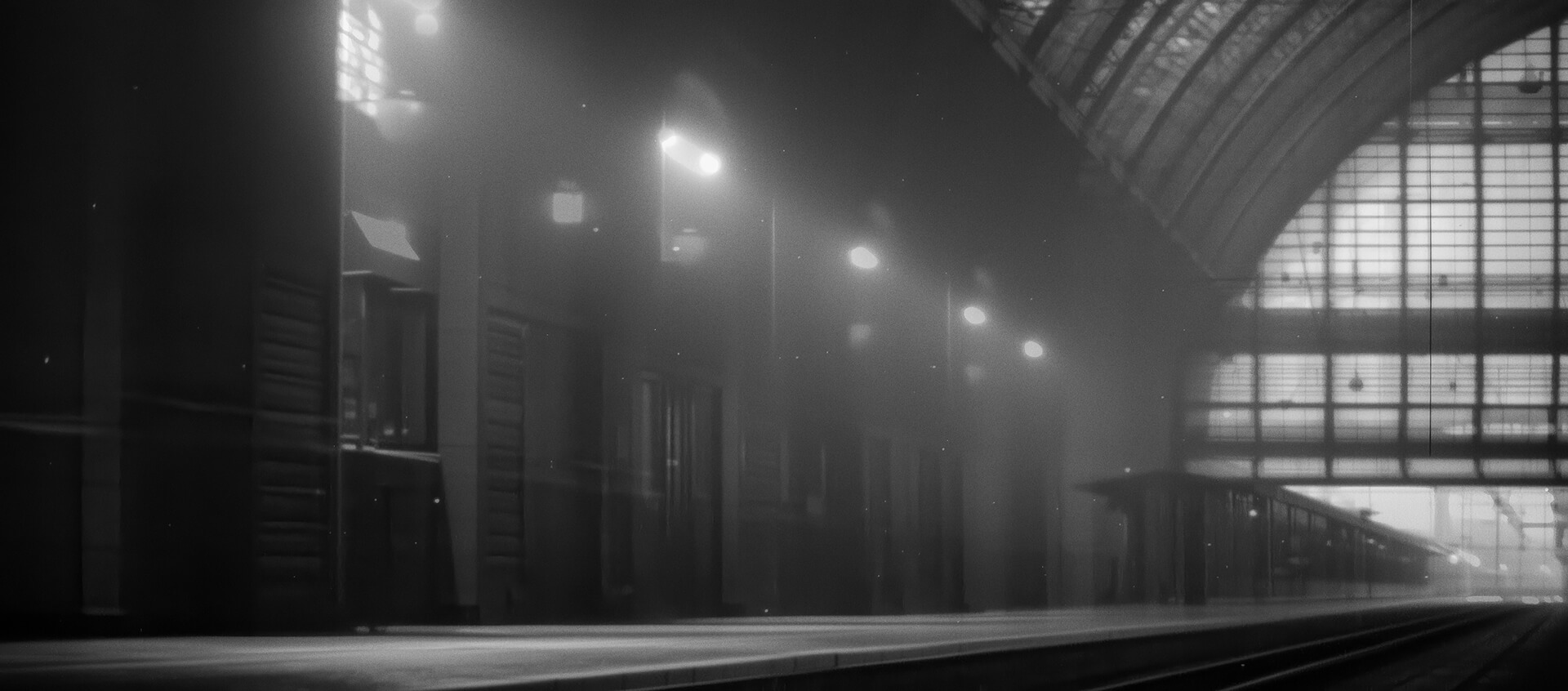
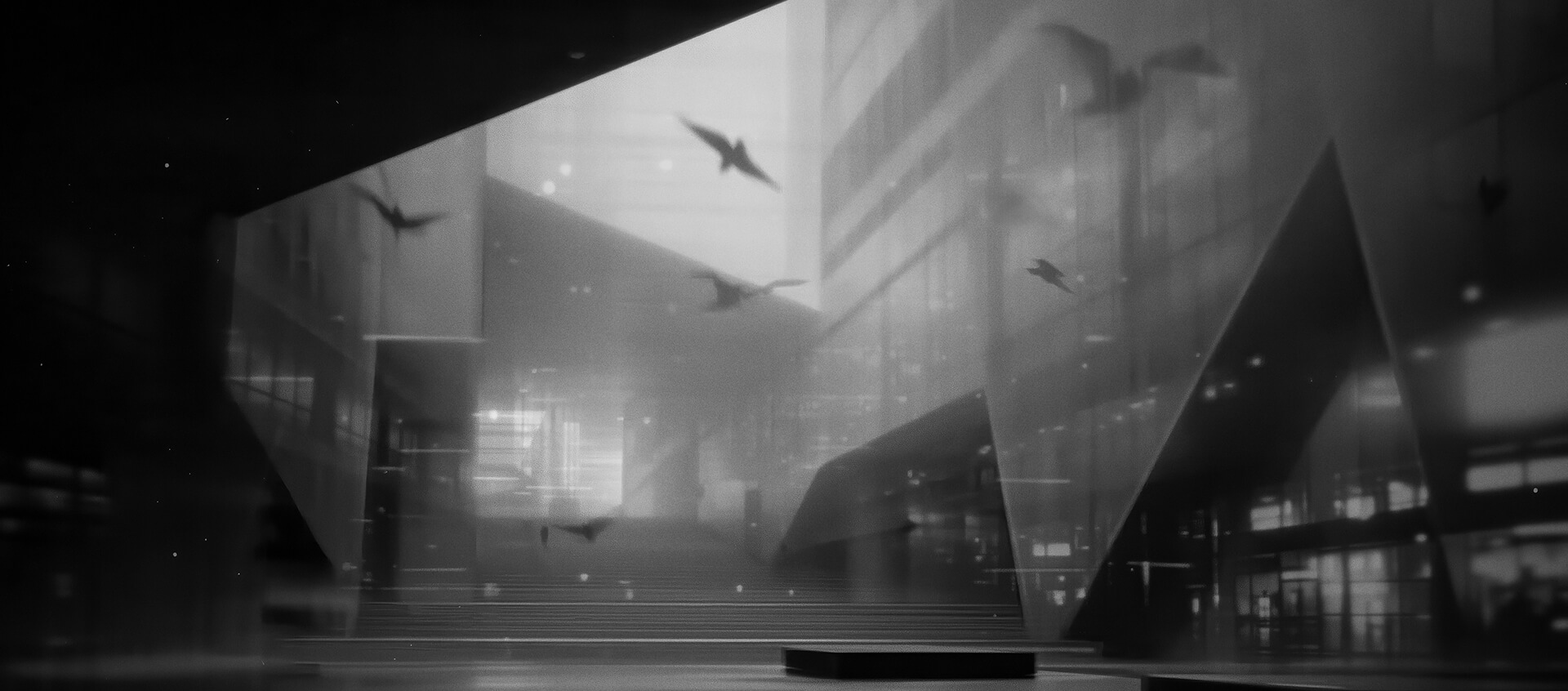
Something happened that the world had never seen before—the global lockdown. From one moment to the next, our civilization held its breath. The proud metropolises suddenly lay still, as if extinct, under a leaden sky. Where life normally pulsed, only echoes resonated through the abandoned canyons of steel and concrete.
Crazy, spooky, scary.
Forsaken Metropolis.
Secure exclusive early access. Join the list to view and acquire new works before the public release.
Perfect! Check your inbox for a confirmation email.
03
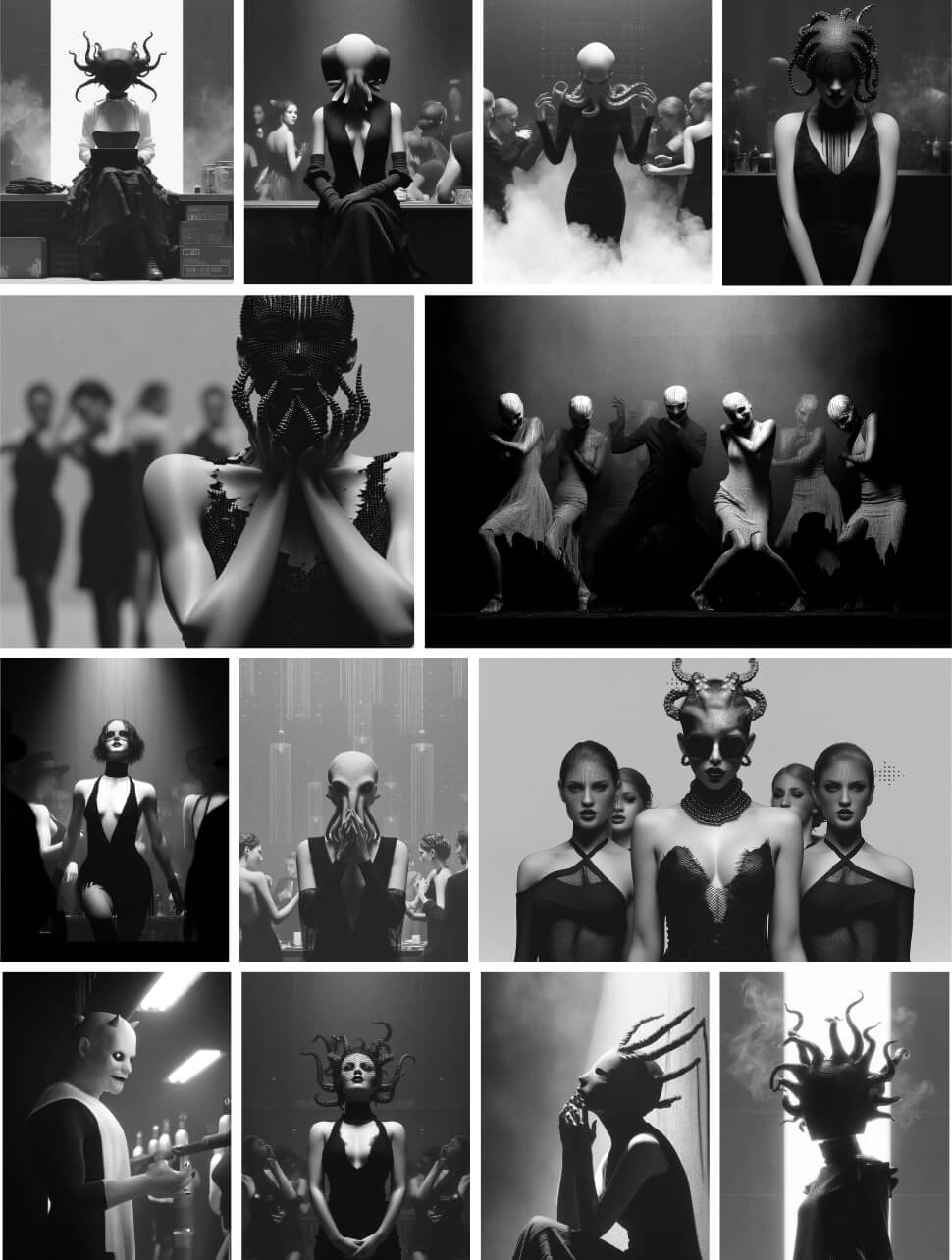
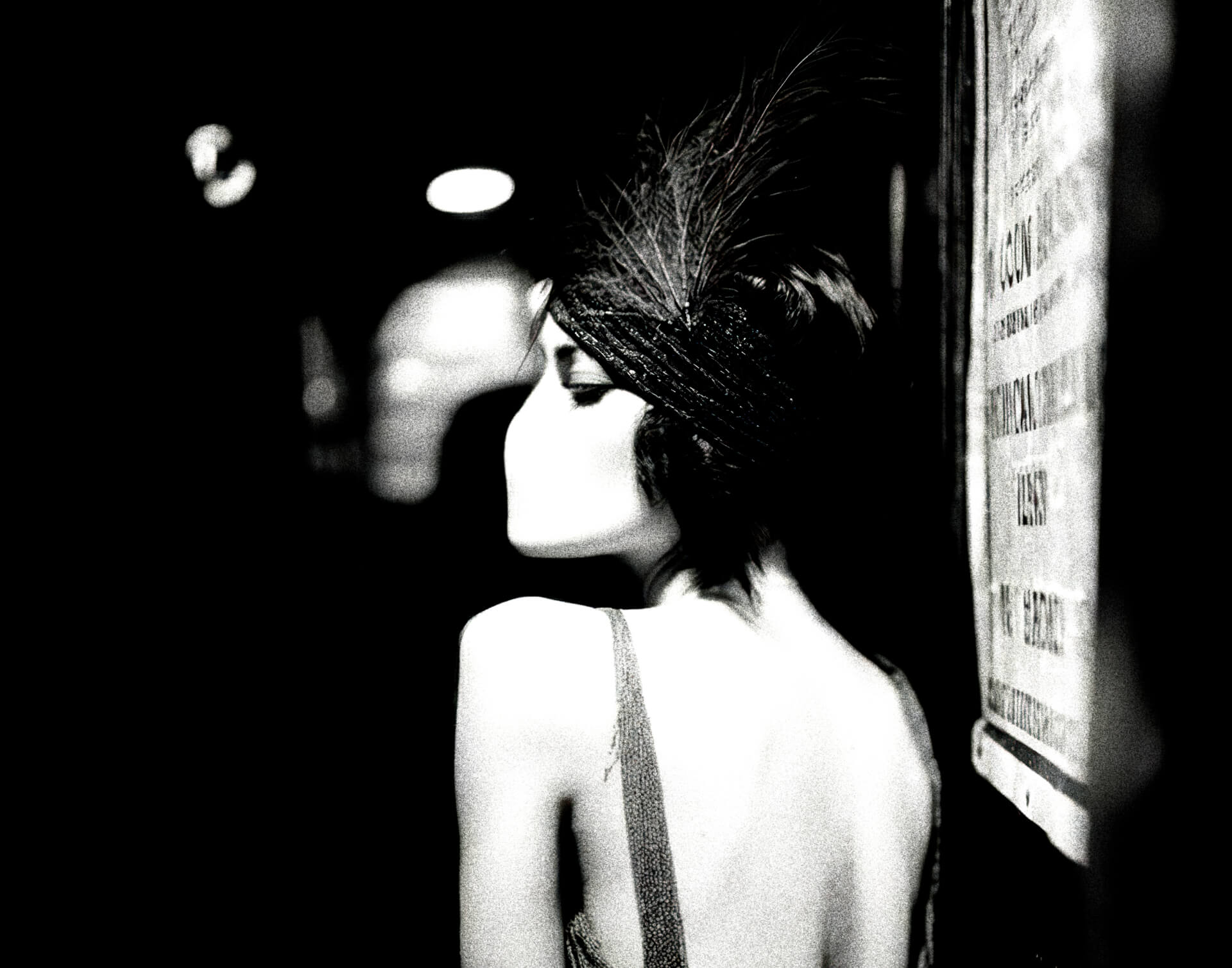
While many found solace in the mask, for me, it extinguished the very core of human connection: facial expression. It transformed every encounter into a meeting with an expressionless "creep," where communication was reduced to nothing but anxious glances.
Deadly Orchid explores this subjective withdrawal—a journey into a digital grotesque. The title references a motif from the 1920s: the orchid as a symbol of artificial, perilous beauty blooming within the decadence of its era. In this series, the metaphor is translated into the present day. The woman becomes the "Deadly Orchid" of the 2020s: flawless in appearance, yet frozen in a masked silence.
Here, the human face—and with it, our shared humanity—is lost. It is an aesthetic of distance, where the eros of a smile has been forced to yield to a sterile facade. Like the hothouse flowers of the Roaring Twenties, these figures appear highly cultivated and elegant, yet their expressions are stifled beneath their masks—beauties no longer permitted to breathe.